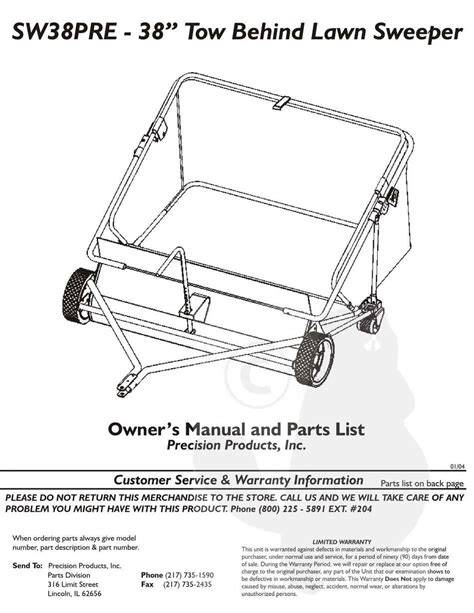
A lawn sweeper operates similarly to a vacuum by easily gathering debris and leaves from the surface of one’s lawn; however, a lawn sweeper does not run on power. With its spinning brushes, the sweeper collects debris into its bag.
Lawn sweepers come in two types: a manually operated one and a lawn sweeper that attaches to the back of a lawn tractor. There are several reasons why someone may choose to use a lawn sweeper instead of another piece of equipment. Lawn sweepers and leaf blowers share a common purpose: removing debris from one’s lawn. However, unlike lawn sweepers, leaf blowers are disruptive and potentially harmful. Not only can regular leaf blowing aggravate neighbors living close by, but it can also result in hearing loss if you’re not wearing protective gear. In addition to being noisy, leaf blowers create hazardous air pollution.
A lawn sweeper also prevents debris from becoming entangled in the blades of a mower, reducing the likelihood that the blades will dull. Since it operates like a push mower, the lawn sweeper gathers debris more quickly than if you were to use another method. By collecting debris in one place (the sweeper’s bag), it’s easier to add this material to a compost pile. You should use a lawn sweeper once the leaves begin to fall. This is because it’s much easier to use a sweeper when leaves are dry, as opposed to when they’re wet. During the seasonal months, a lawn sweeper is a good alternative for bagging grass if you don’t own either a bagging or mulching mower. Use a lawn sweeper instead of a broom or hose to clean off a dirty driveway or sidewalk. Sweeping a driveway with a broom requires more time and effort. Using a hose to wash off either a driveway or sidewalk may cause a steep rise in one’s water bill for the month.
A lawn sweeper is a helpful tool when maintaining the appearance of a lawn. A clean, leaf-free yard doesn’t have to take hours of raking. That’s where you know what a lawn sweeper is. This handy tool glides across your lawn, using spinning brushes to collect leaves, twigs, and debris into a collection bag. You can push it by hand or tow it behind a mower-either way, it saves time and energy. Lawn sweepers are a favorite among homeowners for their simplicity and efficiency. If you’re looking for an easier way to tackle fall cleanup, a lawn sweeper can help you maintain a tidy yard without the backbreaking work of manual raking.
Lawn care can be tiring, especially when dealing with scattered leaves, twigs, or clippings. A lawn sweeper helps reduce that stress. It’s a simple machine that makes cleaning your yard much faster and easier. Ideal for regular lawn maintenance after mowing or during fall cleanups. With a lawn sweeper, you can keep your outdoor space tidy without straining your back or spending hours raking.
Types of Lawn Sweepers
Lawns are not similar, and neither are lawn sweepers. The selection of the correct one needs to be based on the size of your yard, and depending on your manner of working. Lawn sweepers come in two different types: push (manual) and tow-behind. Both have the same mechanism of sweeping, though they are different in their working.
Push Lawn Sweeper
A hand-operated type of lawn sweeper is called a push lawn sweeper. You push it, like when you had a manual lawn mower. The wheels spin the internal brushes that sweep debris into a rear collection bag. It can be folded up, is very portable, and can be used to do a quick cleanup in the yard. Mowing around flower gardens, as well as sharper corners.
Lawn Sweeper - Tow-Behind
Tow-behind sweepers are fitted onto a riding mower, garden tractor, or ATV. Imagine you are on your way, and the brushes are turning and gathering debris into a hopper. Seasonal intensive cleanings. Tow-behind models have larger coverage, and they also need less effort. When choosing between a manual vs. a tow-behind lawn sweeper, choose a tow-behind when the job is big and you want quicker results.
How Lawn Sweepers Work
Lawn sweepers may look simple, but their design is smart and effective. Whether you’re pushing by hand or towing behind a tractor, they work the same basic way. As the machine moves across your yard, it gathers debris through a smooth sweeping action powered by wheels and brushes-no fuel, cords, or complex parts needed. Understanding how a lawn sweeper works will help you use it better and keep your lawn looking clean throughout the year.
Brush Mechanism
When you start pushing or towing a lawn sweeper, the wheels begin to spin. These wheels are directly connected to a set of internal brushes. As the wheels move, the brushes rotate rapidly and sweep debris from the lawn into the collection area. This movement mimics the action of a broom but is much faster and more efficient. The brushes are designed to lift everything from dry leaves and clippings to grass clippings and pine needles. To get the best results, maintain a steady pace-too fast or too slow can affect how much debris is collected.
Hopper Collection
When the brushes are pulled up, they push dirt into a container at the back of the sweeper, known as a hopper. The hopper holds the captured materials until you decide to empty them. When it is peak season, such as fall or after mowing, the hopper can fill up. Push sweepers usually have a shorter hopper, and tow-behind sweepers store more, and again, fewer stops. A key advantage of using a lawn sweeper is the convenience of unloading the hopper without having to strain or make a lot of noise. Frequent emptying also keeps the machine light so that it is easy to handle.
Suitable Lawns
Lawn sweepers best suit lawns that are either flat or mildly slanted. This helps to keep the brushes close to the ground and pick up the debris. You may have a yard that is uneven, or there could be muddy patches that may not be swept properly, which may prevent the sweeper from being operated with ease. Tow-behind sweepers are faster at covering a larger area of an open space. On the other hand, the push model would best apply to a small yard and areas with narrow corners. Sweepers work best on dry, short grass, so it is more efficient to use sweepers, but wet leaves and clipping can get stuck until the brushes and hopper are full.
A What They Collect
A clean lawn not only looks good-it also helps your grass grow better. With a lawn sweeper, you don’t have to worry about small messes like scattered leaves, grass clippings, or even pine needles. It collects debris efficiently and saves you time that would otherwise be spent raking. Leaves and grass, twigs and pine needles, small stones-lawn sweepers are capable of handling a variety of yard waste, though you should check your model’s manual for stone safety.
How to Use a Lawn Sweeper
A lawn sweeper is a simple machine, but using it correctly gives you the best results. Before you begin, it’s important to prepare your lawn and follow the right steps during operation. Whether you’re using a manual or tow-behind model, knowing how to use a lawn sweeper ensures your yard stays clean and your sweeper lasts longer.
Preparation: In preparation for sweeping, spend time pounding down the lawn. When your lawn is too long, cut it first to allow easy access to the brushes with the debris. Next, walk the field to eliminate some big sticks, toys, or any other hidden materials. The grass should be dry because wet materials cling to the machine. Having a smooth, clutter-free lawn makes it easier to pick up debris and move freely in the yard.
Operation: After your lawn is prepared, you can now start sweeping. A push model is simply walked forward in a steady and even manner, just like an old-fashioned manual mower. With tow-behind sweepers, simply connect the machine to your mower or tractor and go all around. Keep your passes straight and overlap each other in order to miss no spots. Ensure that the brushes have the correct orientation to the grass surface. When the hopper is filled, empty it.
Emptying and Maintenance: When the hopper is full, stop and empty its contents into a waste/compost pile. The majority of hoppers are easy to remove and are light in weight. Each time, leaves and debris must be removed from the brushes and hopper. This will reduce the chances of clogs on them and will maintain your machine in good condition. Keep the sweeper in a dry environment; otherwise, it can rust or damage the brush. Through regular care, your investment is not only safeguarded, but it will also give you better performance each use. Well-maintained, tidy sweepers have a longer life and make your lawn appear at its finest with each season.
Benefits of Lawn Sweepers
There are times when raking the yard by hand can be time-consuming, which leaves your body feeling stiff and tired. Lawn sweepers are an easier method of cleaning up outdoors. Such machines will save time, decrease physical pressure, and make your lawn healthy without much effort. No matter what you are raking up, leaves in the fall or grass after mowing, a good lawn sweeper will help you do the job quicker and with better satisfaction.
Time Savings: Using a lawn sweeper is much faster than cleaning by hand. Instead of spending all afternoon raking and bagging, you simply walk or drive across the yard, and the sweeper collects debris as you go. The spinning brushes work efficiently in one pass, reducing the need to cover the same area multiple times. This tool cuts your cleanup time in half, especially during heavy leaf fall. With less time spent on yard work, you can focus on relaxing or doing other outdoor activities you enjoy. It’s a major time-saver for any homeowner.
Efficiency: A lawn sweeper doesn’t just work fast-it works smart. The rotating brushes are designed to collect various types of debris, including leaves, grass clippings, pine needles, and even small stones. You don’t need to stop and scoop or bend down repeatedly. The hopper collects a large volume before needing to be emptied, which keeps your cleanup moving smoothly. Compared to traditional raking, the sweeper gives you a more consistent result with less physical effort.
Health Advantages: Yard work shouldn’t leave you feeling sore. Raking by hand often leads to backaches, sore shoulders, and strained wrists. A lawn sweeper helps prevent that. With push models, you simply walk behind it, and with tow-behind versions, you just drive your mower. There’s no heavy lifting or repeated bending. This makes the sweeper an excellent choice for people with joint issues or limited mobility. One of the biggest benefits of lawn sweepers is that they make lawn care easier on your body-so you can stay active without the aches and pains afterward.
Wrap Up: A lawn sweeper is a simple but powerful tool that makes yard care easier, faster, and more effective. Whether you choose a push or tow-behind model, this machine helps keep your lawn clean by picking up leaves, grass clippings, pine needles, and more. It saves time, reduces physical strain, and improves the look and health of your outdoor space. Understanding what is a lawn sweeper, how it works, and using it regularly means less time raking and more time enjoying your yard. If you want a neat, well-kept lawn with less effort, a lawn sweeper is a smart choice.
FAQ
- How regularly should one use a lawn sweeper? You ought to apply a lawn sweeper wherever you notice some leaves, some grass clippings, or some pieces of debris in your yard. Use it regularly, and your yard will be clean and healthy. The majority of people use it after mowing or in the fall when leaves fall down.
- Instead of raking, is it possible to use a lawn sweeper? It is true that a lawn sweeper can substitute for most uses of raking. You will grab the grass clipping, twigs, and leaves at a much faster rate. This conserves your time and effort since you have less labor to do in order to get a neat yard.
- Do lawn sweepers work on wet grass? When the grass is wet, lawn sweepers do not play well. The wet waste may get lodged on the brushes and obstruct the hopper. To achieve the best results, immediately after the lawn is dry, make a move to sweep it.
- What are the best lawn sweepers to look for? You must make sure that you know the size of your lawn, hopper capacity, and also the type of debris that you would like to accumulate. Some of the finest lawn sweepers are adjustable in height and have an easy ability to empty the hopper. Select an ideal model to suit your yard and requirements.
- Can a lawn sweeper work on pine needles and tiny rocks? Of course, you may use a lawn sweeper in order to remove pine needles and sometimes small stones. First of all, you need to check your model’s instructions.