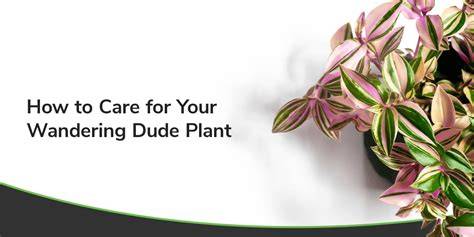
Tradescantia zebrina, commonly known as the Wandering Dude or Inch Plant, is a captivating and popular houseplant known for its striking foliage and ease of care. Formerly known as the Wandering Jew, this plant’s name has evolved due to its controversial nature, with “Wandering Dude” emerging as an alternative. The Wandering Dude plant features lush, trailing vines adorned with glossy, oval-shaped leaves. Native: Originally from Mexico and Central America, Tradescantia zebrina has been widely cultivated and naturalized in various tropical and subtropical regions around the world. Size: When grown in hanging baskets or containers, the plant usually stands 6-9 inches tall (15-22 cm) and spreads 2 to 3 feet (60-90 cm) or wider. Foliage: Tradescantia Zebrina boasts striking foliage with shimmering silver stripes across deep green and rich purple undersides, creating a captivating visual contrast. Its oval-shaped leaves, attached to flexible, trailing stems, make it a popular choice for adding a splash of color and texture to indoor and outdoor spaces.
Light, soil, and watering for healthy growth
Light: This plant thrives in light shade outdoors but prefers bright light indoors. Soil: Use a well-draining potting mix. Water: Keep the soil consistently moist but not waterlogged. Water when the top inch of soil feels dry to the touch. Temperature and Humidity: Thrives in average room temperatures between 65°F to 75°F (18°C to 24°C). Fertilization: Feed with a balanced, water-soluble fertilizer every 4-6 weeks during the growing season (spring through summer).
Practical care steps
Pruning: Regular pruning encourages fuller growth and prevents the plant from becoming too leggy. How to Make Wandering Dude Bushy: to encourage a bushier growth habit, regularly prune stems and pinch tips to encourage branching. Bright, indirect light prevents leggy growth. Fertilize every 4-6 weeks with balanced, water-soluble feed during the growing season for optimal health.
Propagation and new plant care
Propagating Tradescantia zebrina is simple and can be done through stem cuttings. Cut Stem Sections: Using clean scissors, cut a 4-6 inch section of stem from a healthy plant. Root in Water: Remove the leaves from the bottom inch of each cutting and place the cut ends in a jar of water. Make sure no leaves are submerged. Place the jar in a location with bright, indirect light. Root in Soil: Alternatively, you can plant the stem cuttings directly into moist potting soil. Care for New Plants: Whether rooted in water or soil, once the cuttings have established a robust root system, they can be transplanted (if in water) or continued to grow in their pots.
Care considerations and common issues
Aphids: Small, green, or black insects that suck sap, leading to distorted growth. Spider Mites: These tiny pests can cause the foliage to look speckled and faded. Mealybugs: These white, cottony pests feed on plant sap, weakening the plant. Root rot: Overwatering is a common cause, leading to mushy roots and wilting plants. Leaf spot diseases: Fungal infections can cause spots on leaves. Fading Leaf Variegation: Insufficient light can cause the vibrant stripes to fade. Leggy Growth: This occurs when the plant is not getting enough light, causing it to stretch towards the light source. Brown Leaf Tips: Can be a sign of low humidity, over-fertilization, or inconsistent watering.
Maintenance for lush bushy growth
To keep the Wandering Dude visually lush, regular pruning and proper light are essential. Is Wandering Dude Toxic to Cats? Yes, Tradescantia zebrina is considered toxic to cats (as well as dogs and other pets). The plant contains compounds that can cause irritation to the mouth, stomach, and skin upon ingestion. Symptoms may include drooling, vomiting, and diarrhea. It’s best to keep this plant out of reach of pets. Is Tradescantia Zebrina Toxic to Humans? Tradescantia zebrina is not highly toxic to humans, but it can cause irritation in some individuals. Contact with the plant’s sap may result in skin irritation or rash for those with sensitive skin. Ingestion is not recommended, as it can potentially cause mild gastrointestinal upset. It’s always a good idea to wear gloves when handling the plant if you have sensitive skin or to keep it out of reach of small children who might be tempted to taste it. Does Tradescantia Zebrina Need Full Sun? Tradescantia zebrina prefers bright, indirect sunlight rather than full sun. Exposure to full sun can fade the leaf colors and cause scorching, especially in hot climates. It thrives under partial shade or filtered light, which helps maintain its vibrant foliage colors. How Do You Keep Tradescantia Zebrina Purple? To maintain the rich purple coloration of Tradescantia zebrina, ensure the plant receives plenty of bright, indirect light. While direct sunlight can damage the leaves, insufficient light can cause the purple hues to fade. A balance of good lighting and some direct morning sun or late afternoon sun can enhance the purple coloration. Also, regular pruning can encourage fuller, more vibrant growth. How Often Do You Water Tradescantia Zebrina? Water Tradescantia zebrina when the top inch of soil feels dry to the touch, typically once a week, but this can vary depending on environmental conditions like light, temperature, and humidity. It’s important to provide consistent moisture without overwatering, as the plant does not like to sit in waterlogged soil. Reduce watering in the winter months when the plant’s growth slows down. While every effort has been made to describe these plants accurately, please keep in mind that height, bloom time, and color may differ in various climates. The description of these plants has been written based on numerous outside resources. Family: Commelinaceae Genus: Tradescantia Botanical Name: Tradescantia Zebrina Difficulty: Easy to keep alive LightKeep your Wandering Jew in bright indirect light. If they are kept in direct sunlight for too long their stripes will begin to fade. WaterThey will not need to be watered until the top 50-75% of soil is dry. Give them a good soak and water until you notice the tray filling. Be sure to empty it so the roots aren’t getting any excess water. ClimateThese guys love humidity! Keep them in the more humid parts of your home like your kitchen or bathroom and they will be happy. They like to be kept in warmer temperatures between 55°-80°F. They love to be misted frequently for added humidity. SoilUse a standard houseplant potting mix when potting them. They benefit from soil that has organic matter even more! You can feed them with a fertilizer once a month during the growing season (spring and summer). Pests and DiseasesFor indoor Wandering Jews, spider mites, aphids, and fungus gnats can be a problem. Tips Put the pot on top of a tray filled with pebbles and water to increase humidity levels. To make your Wandering Jew bushier, take a cutting and push it down into the soil where you want it to grow! When you get the urge to water them and they don’t need it, mist them! Signs your plant is inching for something more Yellow leaves: too much water Browning leaves: low humidity Stem rot: over watering How to PropagateChoose a cutting that is at least 4 inches long and has several leaves on it. You should cut below a node at a 45-degree angle. Prune off some of the lower leaves, and then place the bottom of your cutting in water. Place it in an area that gets medium indirect sunlight. Once the roots have grown 2 inches, you can pot them directly into a regular potting mix! Fun FactsTheir hardiness makes the the perfect plant for beginners! Their leaves have silvery sheen to them in the sunlight! Wandering Jews start growing new shoots after 1-1.5 months! Before you move your plant outside, be sure to check the hardiness zone to save yourself some grief and the loss of a beloved plant. The hardiness zones for Wandering Jews are : 8-12 If you live in Tennessee, here’s a hardiness map to help you decide if your plant can survive outside!