Zinnias are among my favorite summer flowers. I plant these bloom-filled annuals everywhere-my raised beds, my front yard ornamental garden, in pots. I like to plant a variety of colors and several plants, so that a few flowers can be snipped here and there for cut flower arrangements, while leaving enough to be enjoyed in the garden. What I appreciate about these plants is the way they form these lovely, uniform clumps in the garden, covered in blooms.
What makes Profusion zinnias distinctive
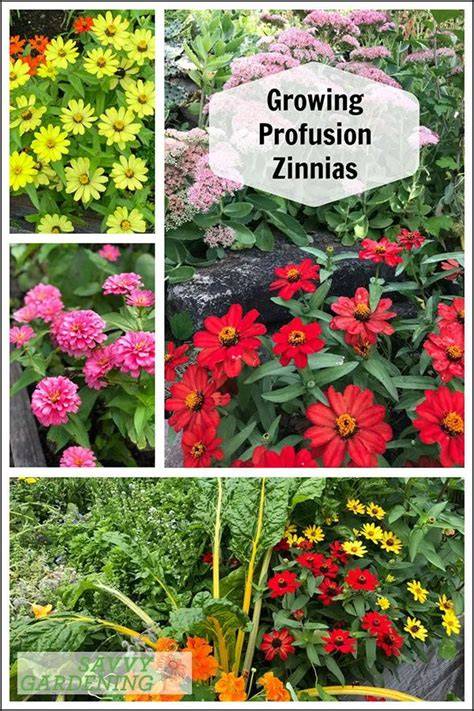
The Profusion series of zinnias is an interspecific cross between Zinnia elegans and Zinnia angustifolia. The large flower traits of elegans were crossed with the disease tolerance of angustifolia. (Interspecific hybridization is the crossing of two species from the same genus.) They bloom throughout the entire season, well into fall when the temperatures really start to dip and eventually affect their vibrancy. Profusion zinnias bloom right through the fall and last until the first frosts finally start to affect them. Pollinators love them! They come in a variety of colors, from primary hues, like white, red, and yellow, to pink and apricot.
Starting and timing seeds
I start my zinnia seeds indoors in a container filled with seed-starting mix that I then place under my grow lights, so the plants can get a head start. Profusion zinnias are versatile because of the plant size and shape. Don’t start seeds too early, as they germinate and shoot up quickly (and could become leggy, depending on your light situation). About four to six weeks before your frost-free date is sufficient. Depending on how densely you plant, you may want to thin the seedlings-transfer singles to four-inch (10 cm) pots or cell packs.
Sow seeds indoors: 4 to 7 weeks prior to your last spring frost in cell packs or flats, press into soil and lightly cover. Kept at 75°F., seedlings emerge in 3 to 10 days. Sow zinnia seeds outdoors: in spring after all danger of frost into prepared beds in ¼ in. deep furrows, 4 to 6 seeds per foot. Cover and keep soil surface moist. Thin seedlings to 9 to 24 in. apart depending on the type of zinnia grown. Zinnias will germinate in five to seven days in temperatures above 65°F. When the soil reaches a minimum temperature of 60°F, zinnias can be planted outdoors. Before planting outdoors, it’s important to “harden off” the seedlings-gradually acclimating the plant to the outdoors, which can be done in a cold frame or by placing the plants outdoors for a couple of hours each day for one to two weeks.
Site selection and soil
Plant your zinnias in a garden, raised bed, or appropriately sized pot with well-draining soil. Having wet feet can lead to disease. Choose a spot that gets full sun, amend your soil with compost, and plant your seedlings (or sow seeds) after all danger of frost has passed. The soil should be about 70°F (21°C). Full sun is essential, with at least 6 hours of sunlight a day.
Planting, spacing, and care
Sow seeds about a quarter of an inch (½ cm) deep, and space according to the packet’s directions. Water lightly until seedlings have developed, so the seeds don’t wash away. You may need to thin your seedlings. Profusion zinnias generally grow to be about 16 to 18 inches (40 to 46 cm) tall and 20 to 24 inches (51 to 61 cm) wide. Deadheading isn’t totally necessary, but it does keep the plants looking fresh. Use a clean pair of garden snips to remove spent flowers-or to cut fresh flowers for a bouquet.
In pots or containers, zinnias need regular watering, especially in hot periods. For fertilizer, apply a balanced NKP fertilizer (such as 20-20-20) at least twice during the growing season. In containers, slow-release fertilizer like Osmocote can boost performance. Proper fertilization supports dense, continuous blooming and robust color.
Growth habit, bloom quality, and aesthetics
Profusion zinnias are low-growing, mounding plants that bring a neat, compact habit to borders and containers. They are prolific bloomers, come in a variety of colors, and are award winners. They are excellent in borders, mass plantings, or mixed into container arrangements. They will tolerate heat, humidity, drought, and powdery mildew, and bloom continuously over an extended summer and fall season. The bright flowers attract hummingbirds and butterflies galore, making them superb as both cut flowers and garden decorations.
Practical gardening notes and companion planting
Interplant zinnias within a vegetable garden to attract pollinators or in containers next to the vegetable garden. In mixed plantings, Profusion zinnias pair well with marigolds, periwinkle, impatiens, fern, and Angelonia, among others. They are an excellent alternative to marigold, petunia, periwinkle, or impatiens in many beds and containers. Zinnias are among the finest cut flowers and mix well with other traditional flowers in homegrown arrangements.
Common questions and troubleshooting
Stress from transplant shock may cause double-flowering zinnias to temporarily produce single flowers. Hardening off is essential to prevent sudden outdoor stress. Disease prevention starts with well-draining soil and avoiding overwatering. Wet feet can lead to disease, so ensure good drainage and avoid staying wet for prolonged periods. Zinnias are easy to grow from seed and forgiving for beginners, with germination typically within a week to ten days under warm conditions.
Personal notes and varieties
This year, I’m planting 2021 AAS Flower Winner Zinnia Profusion Red Yellow Bicolor in my raised beds. The red and yellow flowers look pretty stunning, so I’m excited for them to bloom. I’m growing Zinnia Profusion Red Yellow Bicolor this season for the first time. Blooms feature a bold red center surrounded by yellow petals-a first for an interspecific zinnia hybrid-and as they age will apparently turn different shades of apricot, salmon, and dusty rose. Light-coral and terra-cotta colored 2 in. flowers. Profusion Apricot zinnias have consistently been top performers at the Dallas Arboretum Plant Trials. They are outstanding performers in borders or pots, and are stunning when massed in the landscape. Plants are neat and compact in habit, growing to 12-18 in. tall. Will tolerate heat, humidity, drought, and powdery mildew.
Garden timing tips: Last frost dates are a guideline-check your local frost-free date and adapt to spring weather. Sow indoors 4-7 weeks before last frost, in flats or packs, then transplant after hardening. Transplanting may cause temporary changes in flowering patterns, but the overall bloom is long-lasting across the season.
Varieties and performance notes
Profusion zinnias are an interspecific cross between Zinnia elegans and Zinnia angustifolia. They are a low growing, mounding type plant and are an excellent alternative to common bedding favorites. They are prolific bloomers, come in a variety of colors, are award winners, and are delightful to watch grow. They bloom through the fall and last until frost, attracting pollinators and providing continuous color.
- Open, sunny sites with well-draining soil.
- Seed starting indoors 4-6 weeks before last frost; transplant after hardening off.
- Space according to variety; Profusion typically spreads 10-15 inches.
- Keep soil evenly moist, avoid waterlogged conditions; mulch to preserve moisture.
- Regular deadheading can extend visual appeal, though not strictly required.
Infographic: profusion zinnia growth and care timeline.