Boston fern is a common ornamental plant frequently grown as a houseplant in cold climates. The species Nephrolepis exaltata is a tropical species of sword fern (in the family Lomariopsidaceae), native to humid forests from northern South America through Mexico, Florida and the West Indies where it can grow up to 7 feet tall. The plant called Boston fern - N. exaltata var. Bostoniensis - is a natural variant of the species discovered in a large shipment of ferns sent from Philadelphia to Boston in 1894. Nephrolepis exaltata has broad fronds with alternate leaflets (pinnae) on either side of the midrib. The pale- to medium-green fronds can grow up to 4 feet long and 6 inches wide. There are two rows of round sori (clusters of spore-bearing organs; ferns are seedless vascular plants that produce spores instead of seeds) near the margins on the underside of the pinnae. Each leaflet is generally deltoid in shape, with slightly serrate, undulating edges. The broader species has erect fronds, while Bostoniensis has gracefully arching fronds.
Use Boston fern indoors as a houseplant or outside as a seasonal accent plant once all danger of frost is past. These plants are ideal in hanging baskets, in raised containers or on plant stands, so their long fronds can provide a dramatic arching fountain of foliage. They can also be grown in the ground as somewhat upright accents among low annuals such as impatiens or begonias, combined with shade-loving coleus, browallia, caladium and torenia, or as a tall tropical-looking ground cover. Boston fern is easily grown in hanging baskets or other containers where the long fronds can hang downward readily.
Indoors, position the plant in medium bright light, such as in an east facing window or behind a sheer curtain in south and west windows (or far enough from the window so the plant is not in direct sunlight). If growing outdoors, provide full or partial shade. Boston fern prefers night temperatures of 65 ºF and day temperature that do not exceed 95 ºF, but it will tolerate cooler temperatures if growing outside. This plant does best in a well-drained but moisture-retaining medium (such as a mixture of peat and vermiculite). Although it does best with consistent moisture, it is the most drought tolerant of the commonly cultivated ferns. If possible, keep the potting medium evenly moist but not saturated. This can be a real challenge in hot weather outdoors, especially with smaller containers.
Boston fern does best in fertile soil or with regular fertilization (liquid or slow release houseplant fertilizer at half strength) every 4 to 6 weeks when actively growing; the amount should be cut back a lot in winter. Over-fertilizing will result in browning and drying from the ends of the fronds. Ferns do best in humid environments, so plants may suffer - the tips and edges of the pinnae may turn brown - in dry interiors, especially in the winter. Boston fern has few pests but scales and mealybugs can be a problem indoors and slugs may damage plants outdoors. The easiest way to deal with scale infestations is to cut off the affected fronds. Although ferns can be propagated from spores, named cultivars will not come true, and most gardeners find it much easier to divide the plants. Commercial growers frequently propagate ferns by tissue culture. The species produces sports frequently which may or may not be stable.
Varieties and cultivars ‘Florida Ruffle’ - medium-sized, with twice divided leaflets for a more feathery look. ‘Fluffy Duffy’ - small and fine-textured for a feathery look. Gardener's Supply Co. Boston ferns (Nephrolepis exaltata 'Bostoniensis'), have been gracing our porches and sunrooms for many decades now. Native to tropical regions of South America, Mexico, and even southern Florida, these ferns are part of the Polypodiaceae family and are known for their sword-shaped fronds which gracefully arch downwards. They are a classic choice for hanging baskets or as lush green additions to any indoor space. Slightly less fussy than other ferns, Boston ferns are an excellent choice for new houseplant parents. The classic 'Bostoniensis' is incredibly popular and widely available in nurseries.
Boston Ferns prefer bright, indirect light. Direct sunlight can scorch their delicate fronds. A north or east-facing window is ideal. If you’re growing them outdoors, ensure they are in a shaded or partially shaded area. Although it is one of the more drought-tolerant ferns, Boston ferns appreciate consistent moisture and higher-than-average humidity. Keep the soil consistently moist but not soggy. Water when the top inch of soil feels dry to the touch. Boston Ferns also appreciate high humidity, so misting them regularly or placing them on a tray of wet pebbles can help. During the growing season (spring and summer), fertilize your Boston Fern once a month with a balanced, water-soluble fertilizer. Reduce feeding in the fall and winter when growth slows. Prune your Boston Fern to remove dead or brown fronds. This will encourage new growth and maintain a lush, full appearance. Use clean, sharp scissors for pruning. Repot your Boston Fern every couple of years, or when it becomes root-bound. Spring is the best time for repotting. Be gentle when handling the delicate fronds. Boston Ferns can be propagated by division. Carefully divide the plant at the root and repot each section in its own container. Common pests include spider mites and mealybugs. These can be treated with insecticidal soap or neem oil. Boston Ferns are relatively disease-resistant but can suffer from root rot if overwatered. Boston Ferns are non-toxic and safe for pets and humans, making them a fantastic choice for households with furry friends or small children.
Q: Why are the tips of my Boston fern turning brown? A: Brown tips can be a sign of low humidity, under-watering, or a build-up of minerals from tap water. Increase humidity and ensure consistent watering with filtered or distilled water. Q: Can Boston ferns survive in low light? A: While they prefer bright, indirect light, Boston Ferns can tolerate lower light conditions. However, their growth may slow, and fronds may become less lush. Q: Can Boston ferns be grown outside? A: Boston ferns are hardy in our warmest growing zones (zones 9-11). With their feathery fronds and lush appearance, it's no wonder that Boston ferns are incredibly popular.
In addition to practical care, the Boston fern is a classic accent that adapts to various spaces, from porches to bathrooms with humidity demand. This indoor plant doesn’t need a lot of water, and it thrives in high humidity. The Boston fern, or Nephrolepis exaltata, is easily recognizable, thanks to the plush arching fronds. Its unrestricted, natural growth can give your indoors a woodland touch. This tough and bushy plant is easy to grow and care for. It’s originally from the forests in southern North America, growing in Mexico, Florida, and the West Indies. In the wild, this green beauty can grow as tall as 7’! When grown as an indoor plant, it usually attains a height of 8”-14”. One of the reasons Boston ferns are popular houseplants is that they’re easy-to-grow plants. The plant easily flourishes in the average temperature range inside a house. Boston ferns are low-maintenance plants that thrive outdoors and indoors. If you want to keep it indoors, a bathroom with a window that receives indirect sunlight is a great spot to place it. To ensure that you follow a proper Boston fern indoor care routine, water your plant once every 7-10 days, based on the soil condition. The same rule applies if the plant is outdoors, too. You can water Boston ferns from above but do so close to the soil to prevent wetting the fronds. Bottom watering is also ideal for providing moisture without making the soil soggy. Place the pot in a water-filled tub till the soil surface gets dampened evenly. If a Boston fern is overwatered, its leaves will become discolored and soft. The fronds can also turn mushy and start to droop. If you don’t take immediate action, the symptoms will aggravate. People often mistakenly water Boston ferns on a fixed schedule even if the soil is moist. Boston ferns thrive in bright but indirect sunlight. A spot near a window with filtered or dappled sunlight is perfect for this tropical houseplant. The same applies if you’re caring for a Boston fern outdoors. Keep the plant out of direct sunlight. While Boston ferns should be kept away from direct sunlight, they can’t handle prolonged low-light conditions. This fern needs at least a few hours of bright, indirect light each day. Underexposure to sunlight will simply harm the well-being of your fern. While Boston ferns won’t grow properly in full shade, they can’t handle full sun, either. The only time, the plant will feel OK in direct sunlight, is during the early mornings when the light is weak.
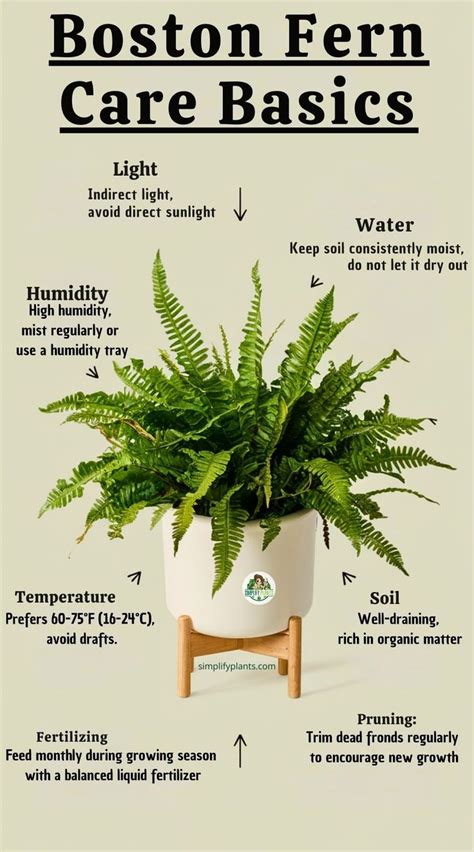
Boston ferns thrive in a temperature range of 68°F-78°F. The nighttime temperature should be above 55°F. This plant also needs a humid environment and flourishes properly when it gets 80% relative humidity. Since the Boston fern prefers humid growing conditions, you should mist it frequently during dry periods in the summer. However, don’t make the environment too swampy. Boston ferns grow nicely in evenly moistened, well-draining soil. No spam. Boston ferns love nutrient-rich, well-draining soil with a pH level of 5-5.5. Pick an organic loamy soil mix, preferably peat-based, and add perlite to improve the drainage. Fertilize the Boston fern twice a year during the growth seasons, in the spring and summer. Avoid wetting the delicate fronds of the plant when applying the liquid food solution to prevent chemical burn. Repot a Boston fern once every 2 years in a pot that is 2” larger than the current one. However, if you find that the plant's roots are growing through the drainage holes, change the pot sooner. To prune the Boston fern and keep it healthy and in good shape, trim off any dead, leafless and discolored fronds. To clean the leaves, spritz them with water and wipe them with a damp cloth to remove the dust. Rigorous pruning is great for a Boston fern, helping you keep it bushy and prevent leggy growth. Trim off the side fronds at the base, rather than stems in the center. Larger ferns, kept outdoors, can be cut back even more drastically. You can crop it down to 4” above the ground for the winter.
If you want to propagate Boston ferns at home, make sure that your plant is strong and healthy. The root division method is a straightforward way to multiply and grow new Boston ferns. Divide the mature plant’s root mass into sections with fronds and repot in smaller individual containers. Another easy way to propagate your Boston fern quickly is by dividing the runners, also called stolons. Simply find and remove the rooted offsets growing from the main plant, and pot them in soil. These runners will establish roots and grow into full plants. Propagating Boston ferns from spores is a more complex process that can be challenging even for dedicated plant enthusiasts. You’ll need to collect the tiny spores from mature dried fronds and sow them on sterilized moss trays. Beginner indoor gardeners often make some common mistakes when taking care of a Boston fern. Other problems with your fern may arise from feeding it excessively or lack of sufficient nutrients in the soil. Boston ferns can thrive for years with proper care. Discolored leaves, tips, or runners: Excess or lack of water can cause discoloration in the fronds. Falling leaves/leaflets: Falling of new leaves might be due to underwatering, low humidity, or a mineral buildup. Discolored spots/stripes/edges on leaves: Leaves turning black or brown indicate a pest infestation. Change the soil and add compost to it. Smelly soil and root rot: These are caused by overwatering and poor soil drainage. Allow the soil to dry between watering sessions. Wilting leaf edges and bacterial blight: Fungal disease can lead to these symptoms. Isolate the plant and remove the diseased parts. Drooping, stringy fronds: Insufficient light can cause the plant to become weak. Pests: Signs of an insect infestation (spider mites, scales, mealybugs)can be spotted under the leaves. Stunted growth: It indicates low-light exposure, improper watering, and lack of nutrients. Move the plant to a well-lit spot.
A: Yes, you can grow a Boston fern outside. You should keep it in a spot with bright but indirect sunlight. A: The Boston fern is a low-maintenance houseplant that can elevate indoor spaces and improve the indoor air quality and humidity levels. A: Many people consider the Boston fern a lucky plant because it regulates the flow of positive energy in the home. A: No, the Boston fern is not toxic to cats and dogs. A: No, the Boston fern does not grow rapidly. Like many other fern varieties, its foliage develops slowly. With proper care, Boston ferns can thrive both indoors and outdoors. You can pair it with plants with large and colorful leaves that can highlight its gorgeous green fronds.
As all houseplant lovers will know, the right Boston fern care is a delicate balancing act. Truth be told, these tender ferns can be a bit finicky. Popularized during the Victorian Age, the Boston fern plant (Nephrolepis exaltata) is still commonplace on Southern porches and as an indoor plant. But what works naturally in one household might fall short in another. Caring for Boston ferns is a commitment, since they require consistent moist soil, bright light and high humidity. Learning how to care for a Boston fern isn't difficult, but it is specific. Growing ferns indoors requires ongoing attention - but it is well worth your time. Here, we outline everything you need to ensure yours are happy and beautiful.
Quick Boston Fern Facts: Botanical name: Nephrolepis exaltata Height: 2-3 feet (61-91cm) Spread: 2-3 feet (61-91cm) Sun exposure: Partial shade Soil requirements: Well-draining yet moisture retaining or soilless Hardiness zones: USDA 10-12 When to plant: Spring
The Anatomy of Boston Ferns
The best care of Boston ferns relies on understanding a little of their origins, characteristics and native preferences. Also known as the sword fern, Boston fern plants are native to the tropical, moist forests of South America through Mexico, Florida and the West Indies, where this fern reaches 7ft (2m) high. An evergreen, Boston fern has sword shaped, slightly toothed fronds which arch upwards. Other cultivars have twisted, drooping, curly or wavy fronds, but the most common is ‘Bostoniensis’ with its upright spreading habit of 3ft (90cm). While most ferns are propagated by spores, the Boston fern is considered to be sterile. Instead of spores, it propagates through slender stolons that dangle from the plant. When the stolons touch the soil, a new plant forms. The genus name hails from the Greek ‘nephros’ (kidney) and ‘lepis’ (scale). Its common name is in reference to its discovery as a natural variant in a large shipment of ferns sent from Philadelphia to Boston.
Lighting, Watering, Temperature and Humidity
Lighting Conditions: Ferns, including the Boston fern, are understory plants. Basically, this means that these plants thrive in partial shade. Best Watering: Boston ferns need consistently moist but not sodden soil. If you are allowing a Boston fern to go dormant, reduce the amount of water given and allow the soil to go fairly dry. Resume your regular watering schedule in the early spring. Temperature and Humidity: Boston ferns require high humidity and warm temperatures. To provide them with plenty of humidity, place near the bathroom or kitchen inside or pot them outside. To double pot, place the container with the fern inside a larger pot lined with moist sphagnum moss. To raise humidity, you can place the container-grown fern on a sauce layered with pebbles. Maintain night temperatures of 65°F (18°C). During the day, make sure the plant doesn’t exceed 95°F (358°C). Soils and Compost: Boston ferns need a well-draining yet water-retentive soil. Alternatively, you can use a soilless medium such as peat and vermiculite. Fertilizing Needs: Boston ferns prefer rich soil or regular fertilization. For the best Boston fern care, apply a slow-release or liquid houseplant fertilizer at half strength every four-six weeks during the growing season. Stop feeding in winter.
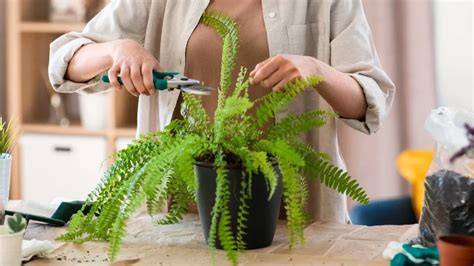
Pruning Boston Ferns: When it comes to pruning Boston ferns, you’ll find that it helps to be observant. Pruning is not necessary during the growing season, except to remove any dead fronds. Once winter arrives and colder temps, Boston ferns will likely begin to lose foliage, even when moved indoors. You can prune the plant at this time and allow it to go dormant, or wait to prune it in the spring, just before new leaves appear. Prune the plant all the way down to the crown using clean shears.
Repotting Boston Ferns: For the best care of Boston ferns, you’ll find it pays to keep an eye on how well they are doing inside their containers. Boston ferns can be repotted when they have outgrown their container. However, it might be better to divide the plant, depending on the size of the fern. This way, you get new ferns and the parent fern won’t get so large that it becomes unmanageable. Divide Boston ferns in the late winter or early spring, before new foliage appears. Cut through the root ball with a clean, sharp knife, either in halves or quarters. Be sure to keep plenty of leaves on each division.
Problems, Pests & Diseases: If the growing conditions of Boston fern aren’t met or temperatures drop, the plant tends to drop leaves. Boston ferns are also susceptible to fungus gnats, mealybugs, scales, slugs, thrips and white flies. While pesticides may be used to reduce infestations, care should be taken. Be sure the pot has excellent drainage and no saucer is attached, lest phototoxicity result. A better control is to use soil drenches with an insecticide. As far as diseases go, Boston ferns are prone to fungal diseases. Keeping the plant moist (but not sodden) is the best way to control fungal disease and maintain the best Boston fern care.
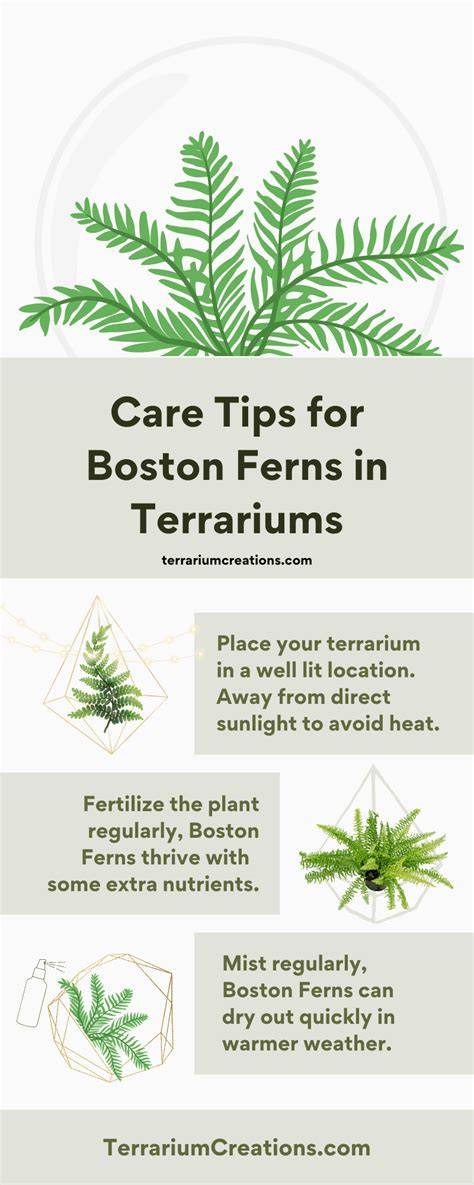
Overwintering Boston Ferns: Glorious, full Boston ferns of summer might begin to look scraggly as temperatures dip in the approach to winter. For the best care of Boston fern, you will need to overwinter it. Move it into a cool room of 50-55°F (10-13°C) with a south-facing window. Reduce watering and allow the plant to go into dormancy.
Best Boston Fern Varieties: While ‘Bostoniensis’ is the most common variety of Boston fern, there are quite a few others to choose from. Once you have mastered better Boston fern care, it’s well worth expanding your collection with one or two of these bushy beauties: Compacta, Curly Boston, Golden Boston, Massii, Verona, Whitmanii, and others. These make fantastic collector's plants.
3 Easy Methods To Propagate And Care For Your Boston Fern 🌿
Frequently Answered Questions: Are Boston Ferns Toxic to Cats and Dogs? Cats and dogs (especially cats) are going to love to investigate your Boston fern. Be assured, these plants are not toxic to your pets. Of course, you may wish to elevate your ferns so they don’t get overly investigated by your feline friends. Boston ferns are not toxic to pets.
In sum, Boston ferns come from humid and tropical forests or swamps and have a natural preference for moisture-retentive, well-draining soil. By maintaining bright indirect light, consistent moisture, higher humidity, gentle pruning, and regular feeding, you can keep Boston ferns lush and thriving both indoors and outdoors during their suitable seasons.