Reducing or stopping drinking can bring a range of short- and long-term benefits for health, mood, sleep, relationships, and overall wellbeing. It’s a personal journey, and small, consistent changes often lead to meaningful improvements over time.
Benefits of reducing or stopping drinking
In the short term, reducing or stopping drinking can help you:
- Save money
- Boost your mood
- Sleep better
- Find more time to do other things you enjoy
- Feel more productive
- Get in shape or improve fitness
- Strengthen relationships
- Avoid hangovers
- Support your mental health and wellbeing
At the same time, you’ll reduce your risk of long-term harm from alcohol including cancer, heart attack, stroke and liver disease. Women who are pregnant or planning a pregnancy should not drink alcohol to reduce risk of harm to their unborn child.
Counting your drinks is a simple yet effective strategy to reduce your drinking. Set yourself a drink limit, and every time you get a drink make sure you’re taking note of what number drink it is. The Australian Alcohol Guidelines can help you to make informed decisions about how much alcohol you drink. Choose some days each week where you don’t drink alcohol. This will help you reduce your overall intake and give your body a break.
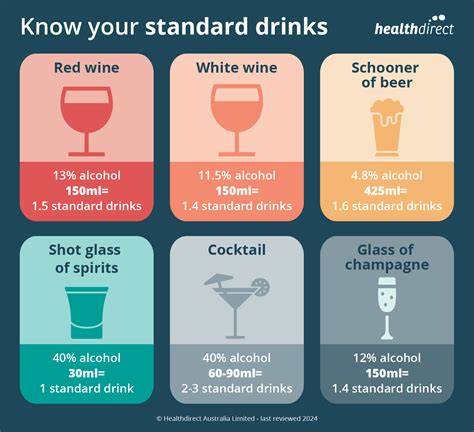
Planning things in advance can help distract you when you’d normally drink. You might want to avoid places you usually drink for a while when you’re starting out. Check the standard drinks label and go for low-alcohol options. Decide not to exceed a certain number of drinks and count the drinks you have. There’s an increasing range of no alcohol products available at many retailers. Reach for water or a non-alcoholic alternative to quench thirst before your first drink. Then for every drink of alcohol, have one non-alcoholic drink. Understanding how much alcohol counts as a standard drink may also help - it can vary depending on the type of alcohol and size of the container. For packaged alcohol, the number of standard drinks is required to be listed on the label. Try our online Standard Drinks Tool to see how many drinks are in your typical pour.
Avoid stocking up at your next trip to the shops. Research shows that the more alcohol we buy, the more likely we are to drink it sooner than we intended. Giving yourself a break between drinks can give you a chance to be mindful about how alcohol is making you feel. Set your own drinking pace - the more you practice saying 'no', the easier it becomes.
Drinking alcohol to deal with issues can make them worse. There are a range of strategies that are proven to help manage stress and anxiety, aid better sleep, and support your overall wellbeing. For more information and strategies to support mental health visit Think Mental Health. Sometimes we do things out of habit and don’t really stop to think about it. It might take a conscious effort to change up your routines at first, but small actions can help build consistency and new habits.
How to start reducing your drinking
Here are ideas to break up your routine and start implementing change:
- Take a few moments to yourself
- Switch to non-alcoholic drinks
- Cook a nourishing meal
- Go for a walk outside
- Find a new way to relax
- Do something on your to-do list
- Try a new activity or hobby
Small changes can make a big difference. Reflect on ‘why’ and ‘when’ you usually drink. Identifying your triggers can help you find ways to handle them. For example, do you usually drink at home after work, on the weekend, while cooking dinner, with friends, to switch off, or when bored or lonely? Consider ways your life could improve by drinking less and keep these reasons in mind as you start to make changes.
Counting drinks, choosing specific days without alcohol, and planning social strategies can all help you reduce intake. Reach for non-alcoholic options when near social events and let friends and family know you’re considering drinking less. If you think they won’t understand, tell them your doctor told you to cut back for health reasons.
There are several brands of nonalcoholic beer, wine, and spirits available today. While these can be a fun substitute on special occasions, they aren’t a daily replacement for a habit. The flavor, the smell, and the bottle all prime your brain to have the real thing, which can lead you to drink again. Talking to people who are also exploring their alcohol use can help. Joining a support group like Alcoholics Anonymous can help put you on the path to stop excessive drinking. If you need support and advice around your drinking behavior, we’re here for you - and members don’t need a referral to get started.
The following activity offers suggestions to support you in your decision to cut back or quit drinking. It can be used with counseling or therapy and is not a substitute for professional help. If you choose to try it on your own and at any point feel you need more help, seek support (see Help Links).
Plan ahead to stay in control
As you change your drinking, urges or cravings may arise. Urges refer to thoughts, sensations, or emotions that tempt you to drink. Urges are short-lived, predictable, and controllable. A recognize-avoid-cope approach is often used in cognitive behavioral therapy and can help you uncover urges and plan how to handle them. With time and practice, urges to drink can lose strength. If urges are very difficult or progress stalls, consult a healthcare professional. Some non-addictive medications can reduce the desire to drink.
Recognize two types of “triggers”-external and internal. External triggers are People, places, things, or times that offer drinking opportunities. Internal triggers can be thoughts, emotions, or physical sensations that provoke drinking. Tracking urges over a couple of weeks helps you understand when and why they occur and how to avoid or control them.
Avoid tempting situations when possible. At home, keep little or no alcohol. Socially, avoid activities involving drinking. If you feel guilty about turning down an invitation, remind yourself you’re not talking about forever. When urges subside, you may ease gradually into some situations you now avoid. Stay connected with friends by suggesting alternate activities that don’t involve drinking.
Cope with triggers you can’t avoid. Remind yourself of your reasons for making a change, talk with someone you trust, or distract yourself with a healthy activity. Challenge the thought that drives the urge and ride it out without giving in. Leave tempting situations quickly and gracefully; plan a safe exit in advance.
The following tools can help you plan for urges: track your urges and plan coping strategies. This activity is adapted from the Combined Behavioral Intervention Manual and can be used with counseling. If urges persist, consult a healthcare professional. Some new medications may reduce cravings to help stop drinking.
Make a plan before you start drinking. Set a limit, budget, and inform others of your goals. Take it day by day and consider smaller portions or lower-strength drinks. Eating and staying hydrated while drinking can also help reduce the urge to overconsume.
The immediate effects of cutting down on alcohol include feeling better in the mornings, improved energy, better-looking skin, and improved mood. There are also long-term benefits, including lower risk of serious conditions such as cancer, diabetes, dementia, stroke, and liver and kidney problems. Cutting down can also improve sleep, mood, memory, and immune function, while reducing alcohol-related harm overall.
How to deal with setbacks
Reducing alcohol use is an ongoing process. It may take several attempts to find what works best for you. Revisit why you wanted to reduce in the first place and reflect on the reasons you experienced the setback. A small change can make a big difference. Whatever strategies you choose, give them a chance and decide how many days a week you plan to drink and how many drinks you plan to have. If certain people, places, or activities tempt you, limit your time with them or avoid those contexts for a period. Seek support, check Your Drinking, and make a plan to help you drink less. Print or save the plan. By drinking less, you can improve your health in the short and long term.
Thinking about cutting back on your own drinking? You’re not alone. If you’re wondering how to stop drinking or how to cut down, a few key ideas can help: keep a journal of daily intake for a week, track your amounts, and consider cutting back one glass per week until moderation or abstinence is achieved. Discuss social strategies, such as choosing alcohol-free options at gatherings, and involve supportive friends or family. If you have AUD or persistent difficulties, seek comprehensive interventions including psychotherapy and/or medications as advised by a clinician.
How to Deal with Alcohol and Drug Cravings | Surfing the Urge
Additional considerations
Alcohol is a depressant and can affect mental and physical health. There are many nonalcoholic options available today, but substitution should not be relied upon as a daily habit. If you or someone you know is struggling with drinking and it affects daily life, consider reaching out to professionals or support networks. Remember that the journey toward reducing or stopping drinking is personal and may involve multiple attempts, but progress-large or small-is valuable.