Dahlia leaf curl is a common concern for growers, especially when plants are started indoors or exposed to shifts in light, moisture, and nutrition. The curling can range from mild droop on some leaves to full spiraling on others, while overall growth and root health may remain strong. To address this issue effectively, it’s important to identify the underlying causes and apply targeted adjustments.
Key symptoms and who they affect
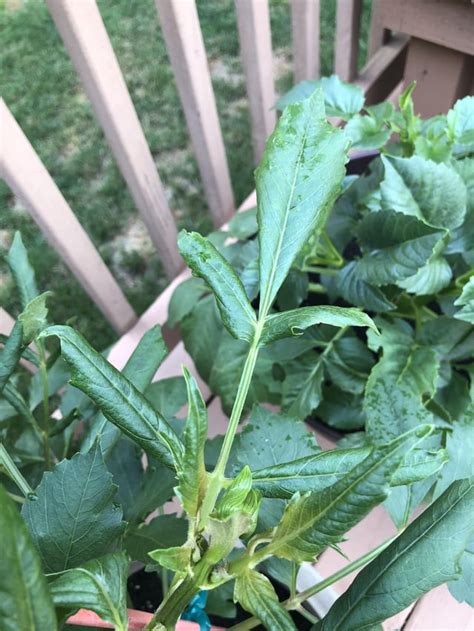
Leaf curl may appear as downward or inward bending of the oldest foliage first, often on leaves that are seeking more light or adapting to new environmental conditions. Curling can accompany other signs such as stunted growth, dark green foliage, or changes in leaf texture. Insects, nutrient balance, light intensity, and watering regimes are frequent contributors, sometimes in combination.
Major causes of dahlia leaf curl
- Pest pressure and insect feeding - Tissue-sucking insects like aphids, scale, or mites can cause leaves to curl as they remove sap. They’re commonly found on the underside of leaves or along stems and may leave a sticky honeydew residue. A magnifying glass helps detect pin-head-sized pests. In indoor setups, light scouting and quick mechanical removal, followed by targeted washing, can reduce populations. Areas under stress tend to attract aphids, particularly when nitrogen is high.
- Light quality and proximity - Light quantity and quality influence leaf behavior. Being too close to LED grow lights can cause downward curl, while insufficient light can also trigger curling as plants stretch to reach light. Adjusting the height of lights and observing changes over about two weeks helps determine the right distance for your lights.
- Fertilization and nutrient balance - An excess or imbalance of nitrogen can lead to lush growth with curling in some cases. Trace minerals like calcium are important for cell structure and strong stems. If growth is vigorous but curling persists, consider a soil test to fine-tune amendments and avoid guesswork.
- Watering and aeration - Both overwatering and underwatering can stress dahlias, contributing to leaf curl. Even, consistent watering and good drainage are essential. Indoor setups benefit from watering practices that target the root zone and keep foliage dry to reduce disease risk.
- Temperature and air movement - Extreme heat or cold stress can cause leaves to curl. Gentle air movement helps strengthen cell walls and prepare plants for outdoor conditions during hardening-off.
Related diseases and how to differentiate
While the focus is on leaf curl, dahlias can suffer from several diseases that affect leaves and stems. Bacterial wilt causes dark leaves that wilt in daylight and can be fatal; powdery mildew presents as grayish-white spots on leaves and stems; botrytis and smut produce distinct symptoms like gray spores or pale spots, often worsened by wet conditions. Viral diseases such as mosaic virus show irregular leaf patterns and color bands. In many cases, diagnosing the exact ailment requires sampling and testing, as symptoms can overlap with abiotic stressors like nutrition or moisture fluctuations.
Because fungal diseases often thrive in humid, poorly ventilated conditions, ensure good airflow, avoid crowding, and water at the base rather than on foliage. If symptoms are suspected to be bacterial or viral, promptly removing infected plants and sanitizing tools helps prevent spread. A soil test can guide you in correcting mineral deficiencies or imbalances that may contribute to curling.
Practical steps to address leaf curl inside
- Inspect for pests on both upper and lower leaf surfaces; remove insects manually and rinse with a gentle stream of water.
- Adjust the height of LED grow lights to reduce stress on the oldest leaves while maintaining adequate photosynthesis for new growth.
- Consider a soil test (e.g., through a university extension or local lab) to determine if calcium or other minerals are deficient and apply amendments accordingly.
- Provide gentle air movement with a small fan to strengthen cell walls and help acclimate plants for outdoor conditions.
- Monitor newly formed foliage for shifts in curl direction or improvement, noting that older leaves may not reverse curl even after changing conditions.
- Plan a careful hardening-off period when moving plants outdoors, taking into account local frost dates and temperatures.
- Maintain even soil moisture and avoid prolonged wetness to reduce fungal disease risk and keep leaves dry when possible.
When to transplant and how to stage improvements
As the season progresses, you can begin hardening off and preparing for outdoor growth by gradually increasing light exposure and decreasing indoor humidity. If you’ve observed curling on the oldest leaves, focus changes on newer growth to gauge improvement. Once plants are moved outdoors, ensure they have a sunny location with well-draining soil and sufficient airflow to support healthy development.
Notes on prevention and best practices
With 42 species and numerous cultivars, dahlias vary in their responses to indoor conditions. Consistent care-balanced nutrition, appropriate light levels, steady moisture, and good air circulation-helps minimize curling and supports strong stems. Regularly observe foliage for new signs, and be ready to adjust light height, watering, or nutrition as needed. If you’re unsure about causes, keep a log of light distance, feeding, and pest checks to guide future adjustments.
Waking Up Dahlia Tubers | Easy Guide to Starting Dahlia Tubers Indoors | Maple Leaf Barn
In summary, leaf curl in dahlias started indoors can stem from pest activity, light stress, nutrient imbalances, or watering and temperature fluctuations. By systematically inspecting for insects, adjusting light distance, testing soil nutrients, and maintaining proper watering and airflow, you can improve leaf posture and promote healthy growth.