Winter can be a challenging season for lawns, especially in regions with heavy snow, ice, and fluctuating temperatures. Once winter releases its grip, it's crucial for homeowners to inspect their lawns and surrounding landscape for any damage caused by the harsh conditions. Understanding the causes of winter damage, effective prevention strategies, and repair techniques will help restore your lawn's health and prepare it for a vibrant growing season.
Causes of Winter Lawn Damage
Winter damage to lawns can result from multiple factors such as snow and ice buildup, specialized pests, de-icing salts, and harsh weather conditions including freeze-thaw cycles.
De-Icing Salt Damage
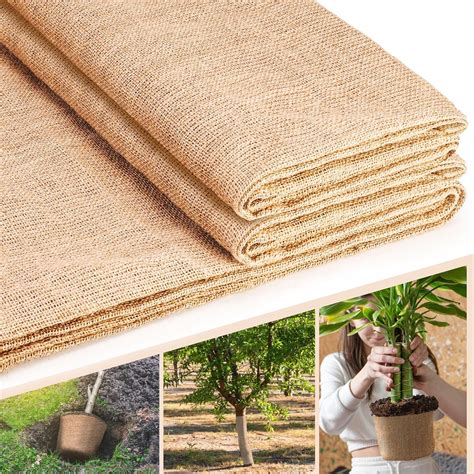
De-icing salts, commonly used to clear streets and walkways for safety, can be detrimental to lawns and plants. Salt draws moisture from plant cells, causing them to dry out and leading to desiccation. Excessive salt exposure makes grass wilt and die, leaving brown patches behind. To restore soil health after salt exposure, a deep daily watering once the weather warms can help flush the salt out of the soil. In severe cases, removing damaged grass and a few inches of soil may be necessary. Covering plants and grass near roads and sidewalks with burlap or snow fencing during winter provides additional protection from salt damage.
Snow Mold
Lingering snow can cause snow mold, a fungal disease affecting turfgrass leaves. It appears as circular patches of gray or pink discolored grass. Snow mold often occurs when heavy snow rests on grass before the soil fully freezes, trapping moisture and blocking sunlight. While snow mold sometimes resolves itself, affected areas may require raking to loosen matted grass, followed by topdressing with soil and overseeding to encourage healthy regrowth. Conditions contributing to snow mold include excessive thatch, poor drainage, excessive shade, and too much fast-release nitrogen fertilizer in the fall.
Wildlife and Pest Damage
Wildlife such as moles, voles, deer, and rabbits can also damage lawns during winter. Voles create shallow tunnels under snow and feed on grass blades and roots, leading to dead patches. They are often confused with moles, who tunnel deeper underground and are generally inactive during winter. Most wildlife damage tends to self-correct once temperatures rise and natural food sources become plentiful, but severe damage may require overseeding in spring.
Freeze-Thaw Cycles and Soil Compaction
The constant freezing and thawing of soil in winter stresses grass root systems and compacts the soil. Compaction reduces soil porosity, making it difficult for water and nutrients to penetrate. Foot traffic from children playing, pets, or snow shoveling over frozen ground exacerbates soil compaction and can cause matted grass and bare spots, which become more apparent in early spring.
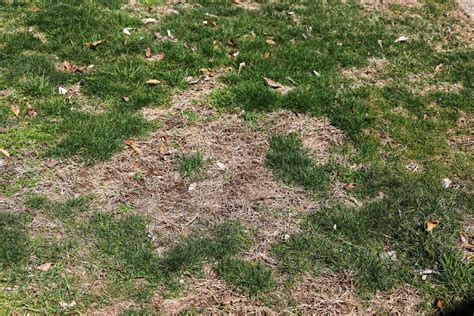
Identifying Winter Lawn Damage
Early spring is the prime time to assess your lawn’s condition after winter. Common signs of winter damage include:
- Dead or thin patches where snow accumulated for extended periods
- Discolored or matted grass indicative of snow mold
- Hard, compacted soil that resists water absorption
- Poor green-up and patchy growth compared to neighboring lawns
- Visible rodent tunnels or gnaw marks on plants
To determine if brown patches are dormant grass or permanently dead, rake aside dead leaves and grass to check for emerging green shoots. If there’s no sign of recovery and other areas are greening, consider renovation or overseeding.
Preventing Winter Lawn Damage
Prevention is the most effective strategy to reduce winter damage. Sound lawn care practices in the fall and winter prepare your lawn to withstand harsh conditions.
Fall Lawn Care Tips
- Clear Leaves and Debris: Remove leaves and debris before the first snowfall to prevent suffocating mats that cause snow mold and inhibit growth.
- Final Mowing: Mow your lawn slightly shorter than usual-about 1 to 1.5 inches-to reduce snow mold risk and limit vole food sources.
- Dethatch: Remove thick thatch layers to promote air circulation and better drainage.
- Fertilize for Winter: Use a slow-release fertilizer formulated for fall, such as Scotts® Turf Builder® WinterGuard®, to strengthen roots and help the lawn prepare for dormancy without encouraging late-season growth.
Winter Lawn Care Tips
- Manage Snow and Ice: Shovel snow off driveways and sidewalks but avoid piling it on the lawn. If necessary, spread snow piles to prevent soil compaction and avoid blocking airflow to plants.
- Reduce Lawn Traffic: Limit foot traffic on frosted or dormant lawns to avoid soil compaction and damage to grass blades.
- Protect from Salt Damage: Use natural ice melt products in areas you can control and cover vulnerable plants near salted roads.
Repairing Winter Lawn Damage
Once the weather warms and the ground thaws, it’s time to repair damage caused by winter stresses. Key steps in rehabilitating your lawn include:
Raking and Cleaning Up
Remove dead grass, leaves, and sticks to allow sunlight and air to reach the soil. Breaking up matted grass and dealing with thatch by dethatching helps new grass blades emerge and reduces disease risk.
Aeration to Relieve Soil Compaction
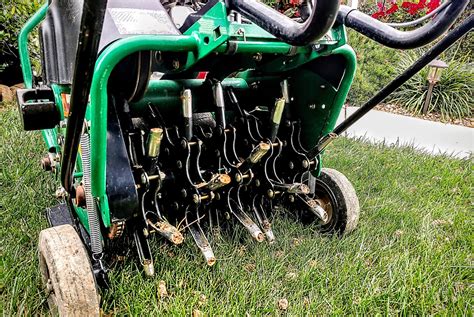
Core aeration involves removing small plugs of soil to open channels for air, water, and nutrients. Spring is an ideal time for aeration, especially for cool-season grasses like Kentucky bluegrass and fescue. Aeration improves oxygen flow to roots, enhances water absorption, reduces puddling, and promotes thicker, healthier turf.
Overseeding Bare or Thin Patches
Address the bare or thin areas left by winter damage by reseeding with a high-quality seed blend suitable for your climate. In Nebraska, mixes of bluegrass, ryegrass, and fescue are ideal. Lightly rake seeds into the soil and cover with a thin layer of compost or topsoil. Keep the area moist to encourage germination, and avoid heavy foot traffic until new grass is established.
Fertilizing for Recovery
Applying a balanced, slow-release fertilizer in spring replenishes nutrients depleted during winter and stimulates healthy growth. This promotes strong root development and better resilience during the upcoming growing season.
Addressing Snow Mold
For snow mold-damaged areas, rake out matted grass and apply a light topdressing of soil before overseeding. Prevent future outbreaks by maintaining good fall lawn care, managing shade and drainage, and avoiding excessive use of fast-release nitrogen in autumn.
Handling Wildlife Damage
After snow melts, rake out dead grass around vole tunnels and monitor for recovery. You may need to overseed heavily damaged sections. Maintaining a well-mowed lawn in fall (around two inches) reduces vole habitat and limits damage.
Seasonal Lawn Care Cycle for Winter Damage
| Season | Key Lawn Care Activities |
|---|---|
| Fall | Leaf removal, final mow shortening, dethatching, slow-release fertilization |
| Winter | Minimize snow piles on lawn, use natural ice melts, limit foot traffic, protect vulnerable plants from salt |
| Early Spring | Inspect lawn for damage, rake out dead grass and thatch, core aeration, overseeding damaged areas |
| Late Spring | Apply balanced fertilizer, maintain regular watering and mowing |
Final Tips to Maintain a Healthy Lawn Through Winter
Regular inspection after winter allows identification of minor damage before it escalates. Local resources such as garden centers or Cooperative Extension Services can guide seed and care product selection. With patience and dedicated care, your lawn can swiftly rebound after winter, offering a lush, green space by summer.