Leaves curling in Philodendron selloum (Thaumatophyllum bipinnatifidum) are a common symptom that signals the plant is responding to its environment. Curling serves as a physiological response to stress, reducing surface area and water loss, rather than a sign of imminent doom. By understanding the root causes and applying targeted remedies, you can restore healthy foliage and growth.
Primary causes of leaf curling in Philodendron Selloum
In many cases, curling stems from a combination of factors, including underwatering, low humidity, excessive direct sunlight, cold drafts, root-bound conditions, fertilizer burn, and spider mite infestations. Less commonly, curling may indicate early root rot from chronic overwatering. Immediate action should start with assessing soil moisture and humidity before making broader changes.
Underwatering is the most frequent cause, especially in hot months, near heating vents, or after neglect. Leaves curl inward tightly, sometimes with crispy brown tips and soil pulling away from pot edges. Low humidity, common in winter or in dry indoor environments, produces a gentle, uniform curling paired with slowed growth. Excessive direct light can cause asymmetrical curling on sun-facing leaves with potential pale bleaching. Cold stress occurs when temperatures dip below 55°F (13°C) for several hours, leading to downward curling and stiff leaves. Root-bound conditions choke oxygen exchange, causing new leaves to emerge smaller and curl. Fertilizer burn from excessive salts shows as curl at leaf tips with white crust on the soil surface. Spider mites induce stippling, fine webbing, and upward cupping, especially in dry, warm indoor air.
How to diagnose the problem accurately
Check soil moisture at 2 inches depth with a wooden chopstick or moisture meter to distinguish underwatering from root rot. Measure ambient humidity with a calibrated hygrometer; below 40% RH confirms low humidity as a primary factor. Inspect leaf undersides and stems for spider mites, scale, aphids, or fine stippling. Assess light exposure and temperature history; recent moves and outdoor exposure can trigger curling. If soil is dry at depth, underwatering is likely; if wet or soggy, root rot may be present and needs addressing.
Healthy philodendrons require evenly damp soil and high humidity. They rely on stomatal control and turgor pressure to regulate water loss; when humidity falls below 40%, stomata close prematurely, prompting leaf curling as a protective response.
Remedies and best practices
Watering strategy:
- Establish a consistent schedule and water only when the top 1.5-2 inches of soil feel dry to the touch, using room-temperature, filtered or rainwater if possible.
- If soil moisture is very low, perform a thorough soak-watering: place the plant in a sink with 3-4 inches of water, ensure water isn’t hot, soak at least 45 minutes, then drain completely and allow to rest on its saucer.
- Avoid overwatering and never let the plant sit in a saucer of standing water for extended periods. If necessary, repeat the soak to ensure even saturation.
Water quality matters:
- Tap water often contains salts, chlorine, minerals, and fluoride that can accumulate in soil and burn leaf tips. Use a filtration system if available, or let water sit overnight to dissipate chlorine.
Humidity and air:
- Philodendrons thrive in higher humidity. Increase ambient humidity to roughly 60%+ where feasible.
- A humidifier (ultrasonic, with a hygrostat) set to 55-65% RH is effective, avoiding RH above 70% to prevent mold. Grouping plants on a pebble tray with water can create a microclimate that raises RH nearby.
- Avoid placing plants near vents, heaters, or cold drafts. Do not mist daily as it rarely sustains long-term RH and can promote fungal spots. Direct airflow should be gentle.
Light and temperature:
- Provide bright, indirect light. Measure light quality and quantity with a simple lux or foot-candle reading at leaf level to ensure it’s not too intense or too weak.
- Maintain day/night temperatures around 65-80°F (18-27°C). If temperatures drop below 55°F (13°C) for more than a few hours, move the plant to a warmer location.
Soil, potting, and root health:
- Use a well-draining, aerated mix: usually 3 parts premium potting soil + 1 part orchid bark + 1 part perlite. Avoid moisture-retentive additives like coconut coir or vermiculite unless well balanced.
- Ensure a pot with drainage holes to prevent water accumulation around the roots. If roots are circling inside the pot, consider light repotting only if curling persists and the plant shows signs of recovery.
- If repotting is necessary, choose a pot only 1-2 inches wider. After repotting, water lightly and wait 5-7 days before resuming regular irrigation. Do not fertilize for 4 weeks after repotting.
Fertilizer and salts:
- Fertilizer burn presents as tight inward curling at leaf tips and white crust on the soil. Stop all fertilizing immediately and leach the soil by slowly flushing with distilled or rainwater until runoff reaches a safe EC level (monitor with a TDS meter if available).
- Switch to gentle, organic feeding only when recovery starts, such as diluted fish emulsion (1:4) every 4-6 weeks in spring/summer; pause in fall/winter.
Pests and diseases:
- Spider mites: Wipe leaves with a 1:4 milk-water solution to disrupt mites, then apply neem oil at dusk, rechecking weekly. Increase humidity and allow for airflow to deter mites. Continue treatment for two full cycles to catch eggs.
- Avoid chemical miticides that can harm beneficial mites. Introduce biological control and maintain cleanliness to prevent reinfestation.
Pruning and recovery:
- Do not prune curled leaves prematurely; they are still photosynthesizing. Remove damaged foliage only after new growth emerges (typically 10-14 days). Severely damaged leaves may be left to support the plant during recovery.
- When curling is caused by environmental stress, correction of the underlying issue typically leads to flattening within 3-7 days for new growth; remaining leaves may take longer to unfurl fully.
Seasonal and long-term care adjustments:
- Seasonally adjust light, humidity, and temperature. Check light angles, humidity trends, and temperature stability in March and September and reposition as needed.
- Soil refresh: replace the top 1 inch of soil every 6 months to maintain structure and microbial life without full repotting.
- Root health: periodically inspect roots for white, firm tissue vs brown, mushy ones that indicate rot. Maintain good drainage to prevent recurrence.
Common misconceptions and quick checks:
- Tap water does not directly curl leaves, but high chlorine or minerals can contribute to chronic mild dehydration over time. Use filtered or rainwater if curling persists despite proper care.
- New leaves unfurl from tight rolls; if they remain tightly furled beyond 12 days, environmental stress is likely present.
- Over-fertilizing can cause curling without browning; flush soil and pause feeding for 6 weeks if this occurs.
Additional notes on varieties
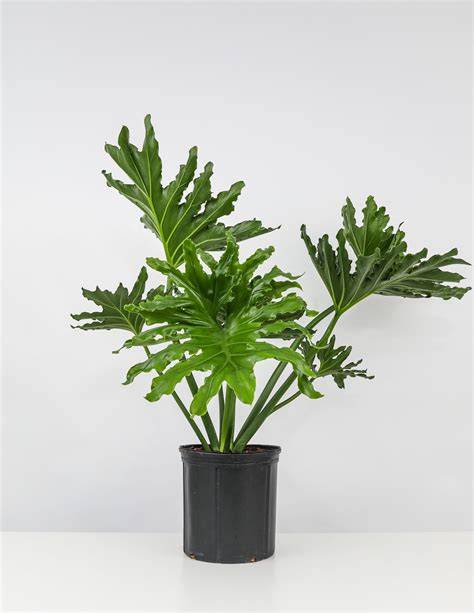
Philodendron selloum, often called Split-Leaf Philodendron, thrives in warm, humid conditions with consistent moisture. It’s important to tailor care to its needs, including higher humidity and steady watering, to prevent curling and browning edges. If you notice curling alongside browning edges or browning tips, reassess humidity and watering balance, along with light exposure and air circulation.
Quick reference: practical checklist
- Check soil moisture at 2 inches; water if dry.
- Measure humidity; target 60%+.
- Inspect for pests; treat spider mites if present.
- Ensure bright, indirect light and stable temperatures.
- Review watering quality and avoid salts-consider filtration.
- Avoid overpotting; use a well-aerated mix.
TOP 10 TIPS on how to increase the HUMIDITY in your home!
Informative note: curling leaves reflect the plant’s stress response; addressing moisture, humidity, light, and temperature promptly yields the best recovery outcomes.
tags: #philodendron #selloum #leaves #curling