Hazel trees (Corylus avellana and Corylus maxima) are versatile, hardy, and productive when grown in the right conditions. This guide compiles key information on species differences, growth requirements, pollination, propagation, and practical cultivation tips to help you germinate hazel seeds and establish healthy trees.
Species and identification
When we speak of Hazel we are generally referring to two species, Corylus avellana and Corylus maxima. The two species produce slightly different shape nuts and take different growth forms. Corylus avellana produce Hazelnuts and Corylus maxima produce Filberts. There are 14-18 species in the Corylus genus but many of the European cultivars we have nowadays are Corylus avellana, Corylus maxima or the result of hybrids between these two species. The leafy bracts that envelope the nuts are the easiest way of telling the species apart.
Both species are monoecious. The male flowers are encased in catkins that brighten up the landscape in the winter, while the female flowers are tiny red tassels that emerge from buds on the stems. Pollen is wind-dispersed and pollination is more reliable when you plant multiple cultivars to increase cross-pollination potential.
History and botany
History shows Corylus avellana was among the first temperate forest trees to establish after the last glacial period, and hazelnuts may have provided a staple food before wheat. The nuts are produced on branches after successful pollination, with fertilization leading to the formation of 1-4 nuts per female flower if fertilization occurs.
Growing range and ecology
Corylus avellana is native to western Asia, northern Africa, and most of Europe, thriving in moist lowland soils and often in the shade of deciduous trees. Hazels are valuable for pollinators, provide habitat for wildlife, and play a role in agroforestry systems. About 70% of global hazelnut production comes from the Black Sea region of northern Turkey, with Italy contributing around 20%.
Climate, soil, and site considerations
Hazels crop best in cool, moist summers with mild winters or maritime climates. They tolerate a wide range of soils-from calcareous to acidic, loam to clay-provided drainage is good. They do not tolerate waterlogged or overly rich soil, which can favor leaf growth over flowers and nuts. In hot or very dry conditions, irrigation and mulching become important, and winter temperatures below -10 C can damage male flowers during flowering, reducing fruit set.
Location matters: avoid frost pockets for nut production, and avoid windy sites in hot climates. They are wind-pollinated, so adequate air movement can aid pollen distribution and fruit set. While self-fertile in theory, practical pollination benefits from multiple cultivars and nearby hazels acting as pollinators.
Propagation overview
Hazelnuts can be propagated by seed or vegetative methods. Seed propagation is easy but results are unpredictable and may take 6-7 years to start producing nuts. Vegetative methods include stooling, layering, cuttings (softwood, hardwood, and microcuttings), grafting, and field grafting. Rootstocks such as Corylus colurna (Turkish hazel) are used to reduce suckering and to provide deeper rooting in some cultivars.
Seed collection and preparation involve cleaning the nuts and removing husks or outer coatings. For germination, hazelnut seeds require cold stratification-nature can provide this in temperate climates by sowing in autumn. A more reliable method for autumn sowing involves protecting stored seeds from rodents by placing them in a woodchip bed with garlic to deter pests.
Germination and seed treatment
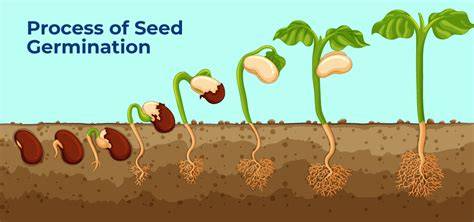
Growing hazelnuts from seed is possible but challenging; the resulting tree may not resemble the parent. Seed can be collected from mature trees in autumn and cleaned before sowing. Cold stratification is essential to break dormancy and encourage germination. In temperate climates, sowing directly in autumn is possible, though rodents can be problematic. A reliable stratification method is to use a moisture-retentive medium such as partially decomposed woodchips, with garlic added to deter pests.
Direct sowing and stratification are part of a broader germination approach that may include moving seeds to pots and providing a well-draining potting mix. The germination process can take several weeks, and protection from frost helps ensure seedling survival. For faster results or more predictable traits, propagation from suckers or cuttings offers reliable alternatives.
Seedling care and transplanting
Hazelnut seedlings require protection from frost and cold while they establish. Transplant seedlings once they reach about 1 foot in height, ideally into well-drained soil with moderate fertility. Watering is important in warm climates; in cooler climates irrigation is not always necessary. Mulching helps conserve moisture, suppress weeds, and maintain a stable root environment during establishment.
Pruning, management, and coppice systems
Hazel wood is famous for coppicing, producing long flexible poles called wands used in fencing, crafts, and woodwork. Typical coppice rotations range from 7 to 10 years, with regrowth initially vigorous but declining after ~15 years. Regular coppice cycles maintain a productive understory and support sustainable harvests. When planting for nut production, spacing around 2.2-2.6 m between trees and a density of 1500-2000 plants per hectare are common, with standard trees often integrated to form two-storey agroforestry systems.
Pruning to an open-centered goblet shape is traditional for fruit trees, but for hazels, maintaining a framework of older stems (15-25 cm long) helps with nut production. Hazels can also be used as hedging, windbreaks, or in polycultures under orchard canopies. Be mindful of suckering; some cultivars root suckers aggressively and may need regular removal to maintain an open crown and good airflow.
Pollination and cultivar considerations
Because hazels are wind-pollinated and not fully self-fertile, planting multiple cultivars increases the likelihood of cross-pollination and fuller yields. When planning an orchard or garden, create a matrix of varieties to maximize pollination potential and check compatibility. Wild hazel stands nearby can serve as pollinators, and some cultivars may require pollinators to achieve optimal nut production. A practical guideline is to plant 1 pollinator for every main production cultivar, with adjustments for local climate and weather patterns during the flowering period.
Harvesting, pests, and diseases
Nuts are ready to harvest when the husks yellow and nuts detach or fall within a 4-6 week window. Squirrels can be pests; removing fallen nuts and protecting with nets or cages can help, though vigilance and timely harvesting are often necessary. Common pests include nut weevils (Balaninus nucum) and beetles that bore into nuts; clearing fallen nuts and encouraging natural predators are useful strategies. Diseases such as Eastern Filbert Blight (Anisogramma anomala) and bacterial blight (Xanthomonas campestris pv. corylina) can affect hazels, particularly under stress, so maintaining tree health is critical.
Nut production and harvest timing
Hazelnuts reach commercial productivity around years 10-15, with mature orchards producing 1-3 metric tons per hectare. Nut quality depends on cultivar choice, soil health, and proper management of coppice cycles, pollination, and pruning. Hazels can be grown alone or in polycultures, with understorey crops helping to diversify production and improve ecological resilience.
Propagation methods in practice
Traditionally hazelnuts were propagated by simple layering, but modern nurseries often use tie-off layering, grafting, softwood cuttings, and micropropagation. Cutting propagation requires a controlled environment with bottom heat (75-80°F / 24-27°C) and rooting hormones (IBA) to promote efficient rooting. Grafting types include whip and tongue, cleft, saddle, wedge, and side grafts, with bench grafting commonly performed in winter and field grafting used to add pollinizers to existing orchards. Rootstocks like Corylus colurna are used to reduce suckering and deepen rooting where appropriate.
Softwood cuttings are taken from current-year shoots, while hardwood cuttings come from mature, dormant wood. Micropropagation yields microcuttings that can be rooted in sterile conditions and then planted into substrate once rooted. When propagating, maintaining consistent humidity, avoiding sudden shifts in environment, and ensuring proper cambial alignment in grafts are essential for success.
Practical garden and farm tips
If you have space, plant a small hazelnut orchard with varieties arranged to maximize cross-pollination. For hedging or windbreaks, hazels tolerate pruning well and can be managed as dense screens. In agroforestry contexts, hazels pair well with other trees like Sweet Chestnut and Oak, provided standard trees do not shade out the hazels. To protect young trees, mulch well and keep weeds in check during establishment. For kitchen use and culinary inspiration, hazelnuts offer a nutritious addition to diets and can be roasted, eaten fresh, or used in a variety of dishes.
Harvest and storage best practices
Harvested nuts should be dried thoroughly indoors over two to three weeks and stored in a cool, dry place to maximize shelf life. Avoid picking nuts before they are fully ripe, as under-ripe nuts shrivel and store poorly. Tubes and husks become yellow as nuts mature, signaling readiness for harvest. Proper drying reduces moisture-related spoilage and helps preserve flavor and texture.
Finally, hazel seeds germinate best after proper stratification and careful propagation planning. Growing hazels from seed can be rewarding but may take patience and persistence, while suckers or cuttings provide more predictable outcomes and faster returns for orchardists and home gardeners alike.