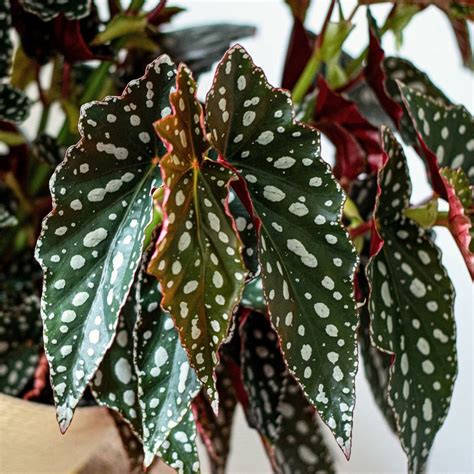
The Begonia hiemalis, often sold under the trade names Rieger begonia or Elatior begonia, is a unique hybrid prized for its winter bloom cycle with large, rose-like flowers and glossy foliage. These semi-tuberous begonias originated from crosses between tuberous begonias and wax begonias, offering bright color during the darker months and adapting well to indoor garden setups. Light, temperature, moisture, and humidity requirements are distinct from many other houseplants, making a thoughtful care routine essential for long-lasting blossoms.
Light and placement
Light is the primary fuel for your begonia's flower production. The ideal indoor location provides bright, indirect light for most of the day. An east-facing window is often perfect, offering gentle morning sun followed by brighter light later on. If only south- or west-facing windows are available, position the plant a few feet back from the glass or use a sheer curtain to soften intensity. In winter, when the sun sits lower, you may move the plant closer to the window to maximize energy absorption. Ensure the plant is not exposed to direct sun that could scorch leaves, especially during the hottest parts of the day.
These begonias respond to daytime temperatures and air movement rather than extreme exposure. Place them away from heat vents and drafty doors or windows; maintain adequate spacing for air circulation to prevent fungal issues. Overall, aim for part sun to bright shade conditions, with some species tolerating full shade but most benefiting from consistent, indirect light.
Temperature and air humidity
Begonia hiemalis thrives when daytime temperatures are between 65°F and 72°F (18-22°C) and appreciates a slight drop at night to around 60-65°F (15-18°C). Avoid sudden temperature shifts and keep the plant away from heating vents or air conditioning units. Although they dislike cold drafts, they appreciate gentle air movement and higher humidity. A relative humidity around 50% is ideal; if your home is dry, increase humidity via misting (not over-leaf misting for this variety), pebble trays, or a humidifier. Grouping several plants together can help create a microclimate with higher humidity.
Soil, potting, and drainage
Use a high-quality peat-based potting mix designed for indoor plants, often containing perlite or vermiculite to improve drainage. Avoid standard garden soil, which can be too heavy for indoor pots. Ensure pots have drainage holes, or keep the begonia in its nursery pot inside a decorative outer pot with no holes. The soil should be moist but not waterlogged; soggy conditions promote root problems and leaf spotting. When transplanting, dig the hole twice as wide as the root ball and the same depth, gently remove the begonia from its nursery pot, tease roots lightly if compact, place in the hole, backfill, and water in well.
Watering and irrigation
Watering is a common challenge for begonia owners. These plants prefer consistently moist soil but do not tolerate standing water. Check moisture by inserting a finger into the top inch of soil; if dry, water thoroughly until it runs from drainage holes, then remove excess water from the saucer after about 15 minutes. Water with tepid or room-temperature water to avoid root shock. During winter rest periods or cooler spells, reduce watering and maintain bright light and cooler temperatures to support rest and subsequent rebloom.
Humidity management
Because Begonia hiemalis originates from more humid environments, extra moisture in the air is beneficial. Use a pebble tray with water just below the tops of the stones and place the pot atop the tray to create a micro-humidity environment. A room humidifier can also help, especially in dry homes. If misting is used, do not heavily mist or keep foliage wet for extended periods, as this can encourage disease.
Feeding and nutrients
During active growth and flowering, supply a balanced, water-soluble fertilizer. Look for a formula with equal nitrogen, phosphorus, and potassium (such as 10-10-10) or a formula with slightly higher phosphorus to encourage blooming. Feed every two to four weeks during growth, typically at half the label's recommended strength to avoid burn and salt buildup. When growth slows or flowering declines in summer, reduce feeding frequency.
Pruning, shaping, and flowering management
Regular maintenance keeps Begonia hiemalis attractive and promotes side-shoot development. Deadhead by removing fading flowers where they meet the stem. If growth becomes tall or leggy, pinch the growing tips just above a leaf node to encourage branching and more blooms. Yellowing older basal leaves are natural; remove them to keep the plant tidy. The plant’s ingenuity lies in its long flowering period, with individual flowers lasting several weeks and overall bloom lasting two to four months. After the main flowering flush ends, rest periods are normal; reduce watering, stop fertilizing for a few months, and keep the plant in a cool, bright spot.
Common issues and quick fixes
- Unopened flower buds dropping: often due to sudden temperature changes or drying soil; adjust light and ensure even moisture.
- Long, thin stems with widely spaced leaves: indicates a need for brighter light or repositioning away from direct sun at times.
- Crispy brown leaf edges: usually too dry air or too much direct sun; increase humidity and move to a less intense light spot.
- Powdery mildew or pests like aphids or slugs: inspect regularly, treat promptly with appropriate controls, and maintain good air circulation.
- Yellow leaves or overwatering: check drainage, let soil dry a bit more between waterings, and adjust watering schedule.
Propagation and growth habit
Winter-flowering begonias are semi-tuberous and tend to be compact with glossy foliage. They can be grown as indoor ornamentals or outdoor bedding in milder climates, provided protection from frost. The tuberous forms require careful handling to avoid waterlogging and to preserve root health over winter; in some cases, corms may be stored for the season if conditions require.
Summary of care essentials
- Light: bright, indirect light; east-facing windows are ideal.
- Temperature: 65-72°F (18-22°C) day; 60-65°F (15-18°C) night.
- Water: keep soil consistently moist but well-drained; water at soil level to protect foliage.
- Humidity: aim for ~50%; use pebble trays or humidifiers as needed.
- Soil: peat-based, well-draining indoor potting mix; ensure drainage.
- Fertilizer: balanced water-soluble fertilizer, 2-4 week intervals during growth, half-strength.
- Maintenance: deadhead, prune to encourage branching, remove yellowing leaves.
- Rest period: reduce water and fertilizer during end-of-winter rest; provide bright, cool conditions.
Practical notes for delivery or gifts
When potting a flowering plant to bring indoors or to give as a gift plant, begin with a good quality commercial potting soil. Prepare the container by filling with potting soil up to 2” (5cm) from the rim, make a hole slightly larger than the root ball, insert, and firm soil around roots. After potting all plants, water thoroughly to settle the soil and give plants a good start. If you want to maximize long-term display, remove spent blooms and trim foliage to maintain the desired size and shape. This not only keeps the plant tidy but may encourage additional blooms depending on the plant’s specific needs.
For a complete indoor-growing guide, remember: provide bright indirect light, maintain consistent moisture and humidity, monitor temperature stability, and feed periodically during active growth. With attentive care, Begonia hiemalis offers a vibrant, enduring display of rose-like flowers that brighten interiors throughout the winter season.