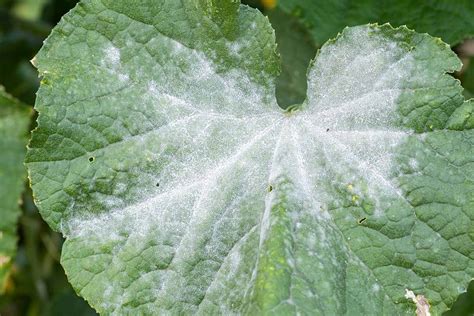
Powdery mildew is a fungal disease that affects a wide variety of plants, causing a white, dusty coating on leaves, stems, and sometimes flowers and fruit. It thrives in high humidity and can spread through spores carried by the wind, making prevention essential in warm, subtropical, and even humid regions.
Understanding the disease and its spread
Powdery mildew usually starts as circular, powdery white spots that may appear on the upper or lower leaf surfaces, stems, and sometimes fruit. The fungus often spends the winter as dormant infections on green tissues or resting structures on fallen leaves, releasing spores the following spring. Most powdery mildews have narrow host ranges, meaning different species attack specific plants, such as peas versus apples.
Humidity is a key factor. Powdery mildew does not require free water to develop, but high humidity around the plant supports spore production and infection. Warm days with cooler nights in late summer or early fall commonly precede outbreaks. Plants grown with poor air circulation or in sheltered, stagnant air are particularly susceptible.
Preventive cultural practices
Choose plants for your garden that are resistant to powdery mildew when possible. Plant in sunnier spots and avoid shaded, sheltered locations where air movement is limited. Manage the environment by improving air circulation around susceptible plants and ensuring good drainage to reduce leaf wetness.
Don’t plant too densely; prune shrubs to create an open structure and allow sunlight to reach lower canopies. Avoid overhead watering, especially in the evening or early morning, to minimize prolonged leaf wetness that can foster disease. If you do water, do so early in the day and aim for soil moisture rather than wet foliage.
Practice garden hygiene: remove and dispose of fallen infected leaves and heavily diseased tissue to reduce inoculum. Avoid composting infected material, as spores can survive and reinfect in the spring. In late autumn, destroying infected leaves lowers the number of infectious spores for the next season.
Non-chemical and homemade prevention strategies
Consider homemade or low-toxicity approaches first, especially in gardens with pollinators. Some organic options include sulfur, lime-sulfur, neem oil, and potassium bicarbonate, which can be effective when used preventively or at the first signs of infection. A common home remedy is milk spray, typically diluted with water (for example, 1 part milk to 10 parts water) and applied to affected plants in sunlight, though results can vary by plant and climate.
Baking soda solutions are another popular preventive treatment. A typical recipe is 1 teaspoon of baking soda per quart of water, thoroughly spraying plants. This method can help reduce spore germination on foliage, though it is not a cure for established infections.
Chemical controls and how to use them wisely
If chemical controls are considered, use fungicides sparingly and precisely targeted, following label directions and local regulations. Fungicides can protect healthy foliage but often have limited curative action and may impact soil health and the environment. For home gardeners, it’s advisable to consult local extension services or nurseries for approved products and proper application timing. When fungicides are used, protect yourself with appropriate clothing and follow safety guidelines.
In some situations, resistant cultivars and crops bred for mildew resistance offer a reliable line of defense. Always check seed catalogs or supplier notes for mildew-resistant options suited to your region and plant type.
Managing an active outbreak
When powdery mildew is present, early intervention is beneficial. If infection is severe, removing infected tissue can slow the spread and improve air flow and sun exposure, which helps the remaining plants recover. After pruning or removal, disinfect pruning tools to prevent spread to healthy tissue.
Hydrogen peroxide is a popular, inexpensive option for preventing and treating powdery mildew in many home gardens. A typical preventive dilution is 1/2 cup of 3% hydrogen peroxide per 1 gallon of water, while treatment rates can be higher depending on infection severity. Spray all leaves and stems to the point of run-off, ensuring coverage on both upper and lower leaf surfaces. The solution breaks down in sunlight, so applying early in the day or in the evening allows it to act before dissipating.
Hydrogen peroxide is considered safe for many crops and pollinators when used properly. Use a battery-powered sprayer for even coverage, and consider spraying nearby plants and structures to reduce spore presence. If rain occurs, reapply after plants have dried, and continue protection as long as conditions favor the disease.
Consistency matters. If leaves become severely affected and begin to crumble, they are unlikely to recover and should be removed to protect surrounding tissue and air circulation. Regular application during dry spells and careful monitoring after rain can help keep powdery mildew under control.
Quick reference: identifying and addressing powdery mildew
- Common name: Powdery mildews
- Scientific name: Various powdery mildew fungi
- Main symptoms: White, dusty coating on leaves, stems, and flowers; potential distortion or yellowing
- Typical hosts: Cucurbits, roses, many ornamentals, and numerous vegetable crops
- Key control principle: Improve air circulation, manage humidity, and remove infected material promptly
Remember that powdery mildew management often combines preventative cultural practices with targeted treatments. Even with resistant varieties and good garden hygiene, outbreaks can occur, so having a plan to monitor and respond is essential for a healthy garden.
The Weird Powdery Mildew Fix That Actually Works
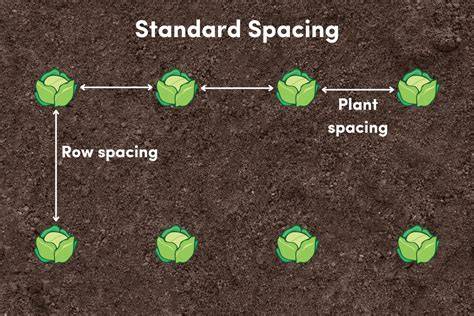
In summary, proactive prevention through plant selection, proper spacing, sunlight, and air movement, along with carefully applied treatments when necessary, offers the most reliable path to keeping powdery mildew under control in warm, humid environments.