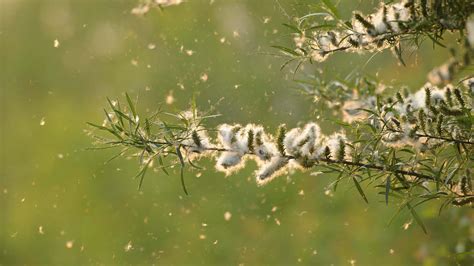
Salix L., commonly known as willows, also called sallows and osiers, comprise around 350 species (plus numerous hybrids) of typically deciduous trees and shrubs. Willows are shade tolerant and typically short-lived, with seeds that are tiny, plentiful, carried by wind and water, and viable only for a few days; they require warm and moist conditions to take root.
Key willow species and notable cultivars
Salix gracilistyla 6×6' features pink buds and cheery rosy pink catkins, delivering a stunning early spring display of color and is excellent in cutflower arrangements. Salix purpurea 10-15' × same is a top-notch basketry willow with abundant long pliable unbranched withes. Salix nigra 30-60' × 15-50' is a large native tree that grows fast and thrives in wet soil, valuable for erosion control and riparian buffers. Salix alba ‘Cardinalis’ Up to 40' tall; shoots can grow 8' annually if coppiced, with stems glowing yellow and maturing to orange and red. Salix acutifolia 20-30' × 10-40' features red to purple shoots, silver catkins, and yellow fall foliage, noted as very beautiful and hardy.
Willows belong to the genus Salix, with a broad global presence and about 350 species. They are typically deciduous, with leaves that are elongated, serrated, and often lanceolate; stipules can be conspicuous, resembling tiny round leaves. Leaves leaf out early in spring, sometimes as early as February with temperature cues in the climate. The buds are lateral, with a single scale covering them. Willows produce nectar and are important early pollen sources for bees, offering modest nectar production and abundant seeds that germinate quickly when moisture is available.
Botanical characteristics and classification
At the base of the petiole, a pair of stipules form. The staminate (male) flowers lack calyx and corolla, consisting of stamens with a nectar gland, arranged on a catkin axis, while pistillate (female) flowers also lack calyx and corolla, consisting of a single ovary with a nectar gland. Morphological studies commonly divide willows into subgenera such as Salix, Chamaetia, and Vetrix, though classifications are subject to revision. Willows produce a modest amount of nectar, attract pollinators, and many species are dioecious with separate male and female plants.
Growth, propagation, and cultivation
Willows are among the earliest woody plants to leaf out in spring and among the last to drop leaves in autumn. They regenerate readily from cuttings and seeds; seeds germinate quickly but must be sown immediately after maturing in spring. The best method to grow a willow from seed is to harvest fresh seeds and sow them outdoors in a moist location within a few days of collection. Hardwood cuttings are an effective propagation method: take cuttings in late winter at least 12 inches long, up to six feet long, and at least ½ inch thick; plant in moist soil and they will root as weather warms.
Site selection is crucial: willows prefer full sun to partial shade and consistently moist soil. They tolerate various soil types (acidic, alkaline, or neutral) but avoid permanent drought zones. Roots seek moisture aggressively and can interfere with pipes, drainage, or foundations; keep them away from water lines and structures. Willows thrive along pond edges, streams, wetlands, and other moist sites, contributing to slope stabilization, erosion control, and wildlife habitat.
Small and dwarf varieties suit container planting or bonsai, while larger cultivars such as weeping willows (Salix × sepulcralis) serve as dramatic landscape specimens. Some common types include weeping willow, white willow, black willow, curly/corkscrew willow, and Carolina willow, each with distinct size ranges and habitat preferences, particularly in wet conditions.
Ecology, pests, and diseases
Willows support a variety of wildlife: they host numerous butterfly larvae (e.g., viceroy, eastern tiger swallowtail, mourning cloak) and provide shelter and foraging for birds and small mammals. They also harbor many aphid species and other pests such as scales and leaf borers; management becomes challenging on mature trees. Common diseases include black canker, scab, mildew, and leaf spots, especially in humid, moist environments. Pruning infected branches and reducing leaf wetness can help manage disease cycles. Regular maintenance helps keep willows healthy and less prone to pests and disease.
In landscapes, planting willows near water features is common for erosion control and riparian buffers, but their aggressive root systems require thoughtful placement away from utilities and drainage systems. Willows are often used in bioengineering projects for streambank stabilization and habitat creation, leveraging their rapid growth and moisture-seeking tendencies to protect banks and reduce erosion.
Historical and cultural notes
Historically, willow wood has been used for crafts, baskets, wattle fences, and various implements; its bark has been noted for medicinal uses in ancient civilizations and later medicinal discoveries, culminating in aspirin's development from salicylic acid derived from willow bark. In textile dyeing and art, willow has served as a source of fibers and materials such as charcoal for drawing. Willows hold cultural significance in some regions, including associations with festivals and traditional practices tied to water, seasons, and healing traditions.
Seed information and seed banking
In seed banking terms, willows present a narrow window for collecting viable seeds as they mature and disperse quickly under warm, moist conditions. Seed banks aim to harvest within a short timeframe to preserve viability for future propagation and research. Partnerships and programs have documented seed collections across various regions to support genetic diversity and restoration efforts.
For gardeners and landscapers, understanding the seed and propagation dynamics helps plan replacements and diversifications in plantings, especially given the rapid growth and invasive potential of some willow species outside their native ranges. Seed collection, germination timing, and cuttings all contribute to successful establishment in suitable sites with sufficient moisture.
Given their ecological roles and broad horticultural value, willows remain a staple for wetlands, water-edge landscapes, and ornamental gardens. A mature weeping willow near a water body offers a tranquil, cascading silhouette and a habitat-friendly presence for wildlife, while smaller cultivars provide flexible options for containers, borders, and urban plantings.