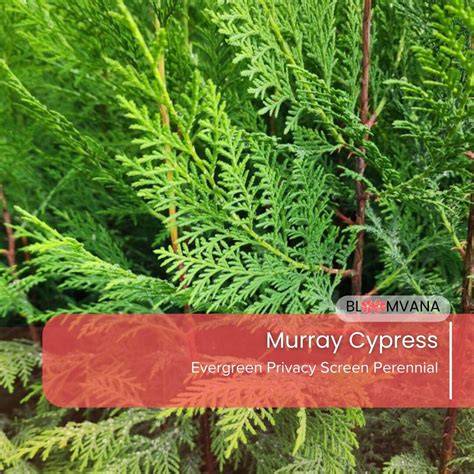
The Leyland Cypress Murray, Cupressocyparis leylandii 'Murray', is an evergreen conifer renowned for its fast growth, dense foliage, and pyramidal habit, making it a popular choice for privacy screens and property borders. It grows up to 25 feet tall and 20 feet wide, and it is hardy in USDA zones 6 through 10, suitable for landscapes across Texas and similar climates. This cultivar is more heat and cold tolerant than standard Leyland types, providing reliable performance in a variety of landscapes.
Key characteristics and benefits
Evergreen conifer with a fast-growing, pyramidal growth habit and dense green foliage. It is notably drought-tolerant once established and adapts well to clay and loamy soils, though it prefers well-drained sites and full sun. Murray-type Leyland Cypress offers an attractive vertical presence that thrives year-round, supporting a robust privacy screen or a striking vertical accent in borders.
Planting and establishment
Planting in well-drained soil under full sun promotes healthy establishment. The best planting results come from arranging trees about 6 to 8 feet apart for a dense privacy screen, or 8 to 10 feet apart for a more open border. The species is fast-growing, often adding 2-3 feet per year in favorable conditions, with full maturity typically reached after 15-20 years.
Care and maintenance
Watering: During the first growing season, water regularly to establish a strong root system. After establishment, deep watering during extended dry periods is usually sufficient. Mulching with a 2-3 inch layer around the root zone helps conserve moisture and regulate soil temperatures, keeping mulch away from the trunk to prevent moisture buildup. Fertilizing is generally unnecessary in average soils; if growth is desired, apply a balanced fertilizer in early spring.
Pruning: Pruning is typically limited to maintaining size, shape, or removing damaged branches. Light trimming in late winter or early spring helps maintain health and form while preserving the natural habit. Pruning after the tree is established (roughly 3 years) supports a tidy appearance without compromising vigor.
Winter care: Established trees tolerate seasonal cold without special protection. Young trees benefit from mulch around the root zone in their first winter to stabilize soil temperatures.
Pests, diseases, and potential problems
Common threats to Leyland Cypress Murray include Seiridium canker, bagworms, and spider mites. Root stress from poor drainage and wind damage can also affect health. To minimize risk, ensure proper spacing to allow airflow, provide well-drained soil, and monitor for symptoms such as yellowing or browning foliage and the appearance of pests. If canker or other diseases appear, prune infected branches and improve spacing to limit spread. Regular checks help catch issues early before they escalate.
Longevity and growth expectations
Leyland Cypress Murray typically lives 30-50 years in landscape conditions and often forms a tall, resilient specimen with an impressive presence. It is known for rapid growth, commonly reaching 2-3 feet of height per year under favorable conditions, with noticeable height achievable within a few years.
Why Murray stands out for privacy screens
Compared to standard Leyland cypress, Murray offers greater heat and cold tolerance, broad adaptability to various climates, and reliable, dense growth suitable for living fences. The cultivar’s dense evergreen foliage provides year-round privacy and a strong vertical element that is highly effective for screening against wind, views, and noise. However, its vigorous growth and wide mature width require careful spacing and ongoing maintenance to prevent overcrowding and ensure sunlight reaches lower branches.
Alternatives and landscape planning
While Leyland Cypress Murray is a popular privacy tree, it is wise to diversify landscapes to reduce pest and disease risks. Consider integrating native deciduous or broadleaf evergreen options such as yaupon holly, wax myrtle, certain magnolias, or tea olives to create layered privacy screens. A mixed-species approach helps prevent monoculture-related problems and adds year-round visual interest and wildlife value. For narrow, tall screens, hollies like Ilex spp., Osmanthus fragrans, and Camellias can provide effective alternatives or complements.
Practical planting tips and common questions
Key spacing for privacy screens is typically 6-10 feet apart, with 8-10 feet offering a balance between density and individual tree vigor. For a rapid, fully private wall, closer spacing around 6 feet may be used, though this increases competition for water and nutrients. The Leyland Cypress’ rapid growth makes it an excellent choice for fast privacy, but it also means regular pruning and monitoring are necessary to maintain form and health. Typical irrigation needs decline after establishment, though watering during dry spells remains important to sustain growth and vigor.
Deer may browse Leyland cypress in winter, so consider deer management practices if this is a concern in your area. While Leyland Cypress is drought-tolerant once established, it requires consistent care during establishment and when soils are poorly drained or conditions are extreme. Plant selection should reflect climate suitability, drainage, sun exposure, and potential pest pressures. If you’re selecting a privacy screen strategy, the best approach is often to mix multiple species in small clusters or staggered rows to reduce risk and enhance resilience.
Examples of practical plant groupings
For a durable privacy screen, combine Murray Leyland Cypresses with complementary species such as native hollies, wax myrtle, or southern magnolias in layered rows. This multi-species approach helps ensure ongoing screening even if one species faces health challenges. If you aim for a bold vertical corridor, a row of Murray Leyland Cypresses can serve as a dominant backbone while interplanting with narrower or smaller species to diversify texture and color throughout the year.
How to create a natural privacy fence in your yard using Leyland Cypress trees | Remodeler's Guide
Overall, Leyland Cypress Murray remains a strong choice for homeowners seeking a fast-growing, dense, evergreen privacy screen with a reliable performance across a wide range of climates, particularly in zones 6-10 and in Texas landscapes. With mindful spacing, proper soil preparation, and proactive maintenance, Murray can deliver a tall, lush, year-round barrier that enhances privacy and curb appeal.