Sunshine Ligustrum, also known as privet, is valued for its versatility as hedges, screens, or small trees. Pruning helps maintain a tidy appearance, encourages denser growth, and can improve disease resistance when done correctly. This guide compiles practical tips from experienced horticultural advice to help you prune effectively, address common problems, and keep Sunshine Ligustrum thriving across seasons.
Understanding the plant and its pruning window
Ligustrum is hardy in a range of climates and can tolerate pruning at various times of the year, though timing matters for vigor and shape. Light pruning to remove stray or damaged branches can be performed any time of year. Heavy pruning to reduce size or form a tree should be done in late winter, while the plant is dormant. Avoid pruning close to the first frost date to minimize stress and maximize recovery.
Pruning goals: shape, health, and vigor
To maintain a healthy, well-shaped plant, prune selectively to remove dead or diseased wood and to encourage strong, evenly distributed growth. For hedges or formal shapes, light, regular shearings throughout the growing season help maintain fullness and uniformity. When forming a tree or training a larger specimen, remove lateral branches progressively starting from the base once the plant reaches an appropriate height, ensuring the canopy remains balanced.
Steps for light pruning and maintenance
Use a sharp bypass hand pruner to selectively remove stray or damaged branches. Make cuts just above the main form of the plant. This helps preserve the overall silhouette while promoting healthy new growth. For hedges, perform light, frequent trims to shape without removing too much leaf surface at once.
Steps for heavy pruning and “tree form” pruning
When aiming to form a tree, wait until the shrub is about 4 feet tall, then begin removing lower lateral branches to elevate the crown. Continue removing branches gradually to achieve the desired height and canopy shape. Remember that removing too much at once can stress the plant, so progress in stages and monitor recovery between cuts.
Addressing common problems and symptoms
- Brown or dropped leaves after cold snaps: Privet can be damaged by cold winds and sudden temperature changes. These plants shed leaves in response to stress, and pruning after assessing which wood is dead or alive helps concentrate energy on healthy growth.
- Leaves browning or disease-like patches: Inspect for signs of leaf spot diseases, wood rot, or potential pests. A photo check can aid diagnosis, but symptoms such as red patches on stems may indicate fungal growth or lichens rather than amoebic organisms. Treat according to the diagnosed condition and avoid over-pruning during active disease.
- Sap-related irritation or skin reactions: Privet sap can cause irritation in some people. If contact causes a reaction, wash thoroughly and avoid touching the eyes or mouth after handling the plant.
Seasonal care and supplementary practices
In early spring, fertilize with a slow-release formula to support new growth after pruning. Mulch around the base to maintain soil moisture and protect shallow roots from temperature extremes. Ensure the plant receives full sun for at least six hours daily and well-drained soil to prevent root waterlogging, which can compound stress after pruning.
Design notes: pruning strategies for different uses
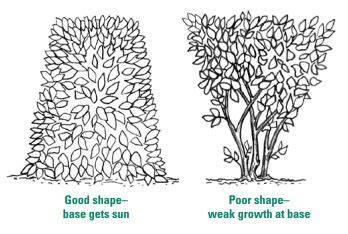
- Hedges: Light, regular prune to maintain density and shape; widen the bottom slightly to improve light penetration and avoid shedding at the base.
- Tree-form privet: Begin pruning to establish a clear trunk and an open canopy, removing competing shoots from the base and along the trunk as it grows.
- Maintenance shapes: Remove dead or damaged wood promptly; prune during dry periods to reduce disease risk and water stress.
Practical tips and cautions
- Never prune too close to frost dates; wait until the danger of frost has passed for heavy cuts.
- Assess plant health before heavy pruning; if a significant portion of the plant appears dead, wait to confirm live wood before removing large sections.
- Consider local climate: Sunshine Ligustrum can behave differently in different zones, and some leaves drop naturally in winter in certain climates.
- Photographs can aid diagnosis if disease or pests are suspected; a professional can help identify issues beyond what you observe at home.
Quick reference: pruning plan examples
- Light hedge maintenance: Prune every 4-6 weeks during the growing season to maintain a dense, uniform edge; avoid heavy cuts that remove a large portion of leafy material.
- Tree-form development: Once the plant is 4 feet tall, begin removing lower lateral branches to expose the trunk; prune higher branches gradually to refine the crown.
- Post-stress recovery: After an event such as cold damage, prune only clearly dead wood and wait to see new growth before making additional cuts.
How To Cut A Overgrown Privet Hedge Over A Three Year Period & Get It Back To Its Former Glory (596)
Additional measures such as proper irrigation, soil drainage, and avoiding waterlogged feet support recovery after pruning and reduce vulnerability to disease.