Raised beds are the backbone of many thriving gardens, including my own! One of the first things I did when I wanted to start homesteading in the city was build a raised garden box. I planted tomatoes, strawberries, and watermelon my first year-they thrived in my raised box! The rest was history. Whether you're looking to boost soil quality, improve drainage, or reduce back strain while gardening, choosing the right type of raised bed is essential. A large emphasis on reducing back strain because gardening in ground definitely will have you feeling a bit beat up at the end of the gardening season. But with so many options-in-ground beds, wooden frames, metal containers, concrete blocks, and grow bags-how do you choose what kind of garden box is best for you?
In this blog, I will break down the pros and cons of different raised beds so you can find the perfect fit for your garden. From cost-effective in-ground beds to long-lasting metal garden beds, here's everything you need to know to elevate your harvest-speaking from experience!
In-Ground Raised Beds: Natural, Budget-Friendly Gardening
In-ground raised beds are the most traditional and cost-effective method for garden cultivation. Unlike framed raised beds, in-ground beds are created by mounding up amended soil above native ground level-no lumber, bricks, or steel required.
Pros of In-Ground Raised Beds
- Extremely Cost-Effective: No need to purchase materials. Simply loosen native soil, add compost, and shape the bed with a hoe or rake. Perfect garden activity to incorporate children.
- Soil Integration: Since you’re building directly into the ground, in-ground beds promote soil biodiversity and beneficial organisms like mycorrhizal fungi and earthworms. You won’t be disrupting the microbiome by adding a foreign object.
- Flexible Layout: Great for large-scale growing and seasonal adjustments. You can change your garden’s shape or layout each year without tearing down structures. This is a good idea if you are just starting gardening, so you can figure out how your land operates.
- Easy Access to Water Table: Roots can access deeper moisture reserves in dry spells. Raised beds don’t allow for this.
Cons of In-Ground Raised Beds
- Less Definition: Without frames, beds can lose shape over time due to erosion or foot traffic. They will require more time on your end to maintain each season.
- Higher Weed Pressure: No border means nearby weed seeds can creep in, especially if the garden isn't well-mulched. With gardening, you will learn that weeds will creep in regardless.
- Pests and Burrowers: Gophers, moles, and insects have free rein unless you install underground mesh or barriers. My garden was destroyed last year by voles, and I used raised boxes, so you may be fighting these kinds of pests depending on the year and your location.
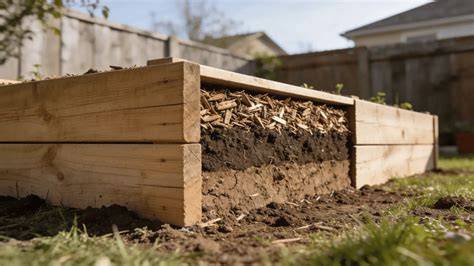
Wooden Raised Beds: Classic, Customizable, and Beginner-Friendly
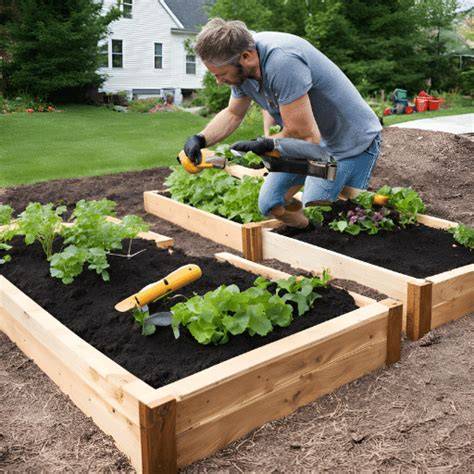
Wooden raised beds are a favorite for homesteaders and backyard gardeners alike. These are what I started gardening with! Built from pine, cedar, or redwood, they offer the perfect balance of aesthetics and function. All of mine were built with redwood. Pros of Wooden Raised Beds
- Custom Sizing and Shape: Great for oddly shaped spaces or decorative gardens. Build beds that are waist-high, U-shaped, or tiered. You can plan and draw out your garden space prior to building.
- DIY-Friendly: Most wooden beds can be constructed with a basic saw, drill, and untreated wood planks. They are so easy to build, hence why my dad’s entire garden operation is raised beds.
- Aesthetic Appeal: Wooden beds blend into nature and offer a warm, rustic charm. I love the look of my raised beds.
- Easier to Maintain Soil Structure: Framed walls prevent soil from spilling over and compacting pathways. You will notice they definitely keep the mess to a minimal in the garden, especially after storms roll through.
- Natural Rot Resistance: Using untreated cedar or redwood for your wooden raised beds is ideal for gardeners growing food organically. These woods are naturally resistant to rot, making them perfect for long-term planting without chemical concerns. Definitely avoid any wood with chemicals as it will leech into your soil.
Cons of Wooden Raised Beds
- Limited Longevity: Even cedar or redwood will decompose after 7-10 years, and untreated pine may last only 2-3 years.
- Moisture Retention and Rot: Without waterproofing, wood may break down faster in rainy or humid climates.
- Pest Concerns: Wooden beds can attract termites, slugs, and carpenter ants if left untreated and moist.
How do you maintain wooden raised beds? Applying natural linseed oil or a food-safe sealant can extend the life of your wooden beds while keeping your soil safe for growing fruits and vegetables.
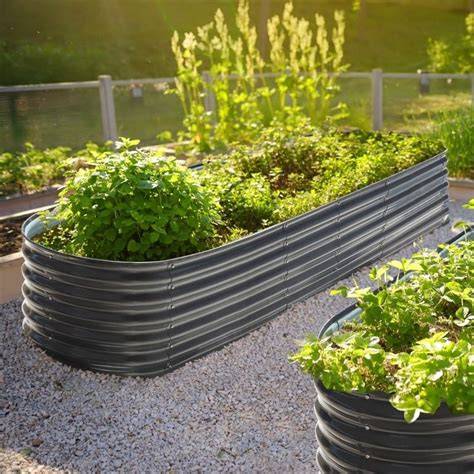
Metal Raised Beds: Durable, Sleek, and Long-Lasting
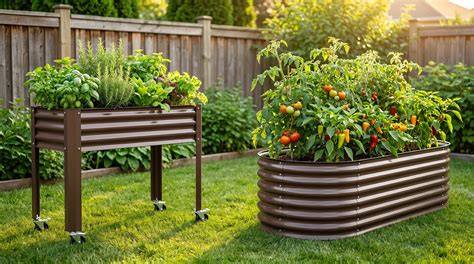
Metal raised beds-especially those made from galvanized steel-are trending thanks to their modern appearance and exceptional longevity. These are definitely the trendy type of raised bed. They're ideal for anyone who wants a clean, minimal, and low-maintenance garden structure.
Pros of Metal Raised Beds
- Durability: Galvanized metal beds can last 15-20 years, far outliving wooden beds.
- Low Maintenance: No rot, no warping, and no termites. Once installed, they require virtually no upkeep-a huge plus for a busy homesteader!
- Sleek Look: Perfect for urban or contemporary gardens. Some HOAs may require a sleek look for garden boxes, so these would be your best bet.
- Non-Toxic: Galvanized steel has been proven food-safe and won’t leach into soil under normal growing conditions.
Cons of Metal Raised Beds
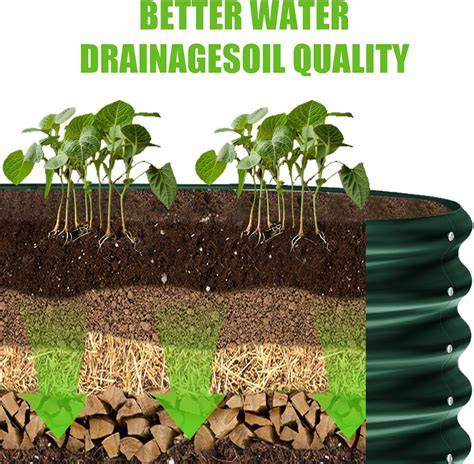
- Soil Can Overheat: In hot climates, metal can conduct heat and cause soil to dry out faster. Mitigate with mulch or a liner like cardboard or wood.
- Expensive Upfront: Quality metal garden beds can cost $100-$300, depending on size and brand.
- Difficult to Modify: Not easy to cut or resize without special tools.
To maintain soil moisture, use a thick mulch layer of straw, wood chips, or shredded leaves. This prevents overheating and supports a stable growing environment year-round.
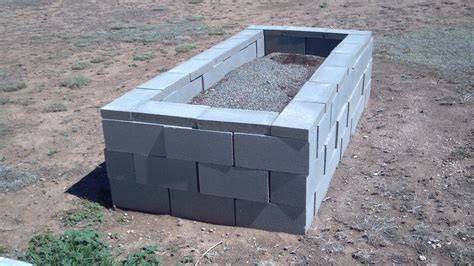
Concrete Block or Brick Raised Beds: The Most Permanent Option
Concrete block and brick raised beds offer the ultimate in durability and structure. These beds create a tidy, professional look and are often used in urban gardens, community spaces, or anywhere a permanent bed is desired. These have also become more popular as gardening grows as a popular hobby because they are easy to put together and fit a variety of spaces.
Pros of Concrete or Brick Raised Beds
- Extremely Durable: Bricks and blocks don’t rot, warp, or wear down. With good design and drainage, they can last a lifetime.
- Pest-Resistant: Solid construction and block-heavy materials create barriers that are difficult for burrowing pests to cross especially if you put a layer into the ground.
- Thermal Mass: Concrete and brick absorb sunlight and release it slowly, keeping soil temperatures stable overnight-great for early-season planting.
- Customizable Finishes: Add stucco, paint, or mosaic tile for decorative flair.
Cons of Concrete or Brick Beds
- Labor and Skill Required: These beds are heavy, time-consuming, and may require mortar or masonry tools depending on how fancy you want to make them.
- Possible Toxins: Some older cinder blocks contain fly ash, which may leach into soil. Always buy blocks labeled safe for food use.
- Expensive Materials: Between blocks, mortar, and tools, this can be one of the most costly options per square foot.
Use food-safe, high-density concrete blocks and plan for adequate drainage by spacing blocks and adding gravel at the base. This will ensure long-term success and safe harvests.
Which Raised Bed is Right for You?
Every type of raised bed offers unique advantages. If you’re on a tight budget or want full flexibility, in-ground beds are the way to go. For a warm, classic look that’s beginner-friendly, opt for wooden raised beds. If durability and sleek design are priorities, consider metal raised beds. And if you're building a long-term garden or community space, concrete block or brick beds are your best bet.
I personally love my wooden beds, but I will be exploring in-ground beds for when I do more expansive garlic gardening. By understanding the pros and cons of different raised bed materials, you can build a garden that meets your goals, grows with you, and moves with you!
Elevated vs Raised Garden Beds: A Quick Comparison
Not all beds are created equal. Elevated garden beds are designed to raise the planting surface above ground level and can be made from wood, metal, resin, or other materials. Elevated beds offer accessibility for those with mobility issues, better drainage and soil aeration, and protection from pests and critters. Raised beds, on the other hand, provide improved soil quality, extended growing seasons, and flexibility in design and size, making them ideal for homes and urban spaces.
Location, budget, gardener's abilities, and climate all influence the decision. The choice may also depend on whether you are growing vegetables, herbs, or ornamentals. For example, raised beds in Florida can improve soil conditions and reduce nematode issues, while cedar or recycled plastic options offer different longevity and maintenance profiles. Cedar is rot-resistant and relatively lightweight, while recycled HDPE plastic beds boast long lifespans and color stability, though with higher upfront cost.
Additional Considerations and Maintenance Tips
Raised bed maintenance is typically lower than ground-level beds when using durable materials. Soil in raised beds warms faster and dries out more quickly, so consistent watering is key. Place soaker hoses or drip irrigation directly on the bed for efficient watering. Mulch helps to suppress weeds and retain moisture. Fertilization can follow local guidelines; a soil test can guide nutrient needs. At season end, till plant matter back into the beds to add organic matter, or amend with compost.
Materials commonly used in contemporary raised beds include cedar, recycled plastic, and composite materials. Cedar offers rot resistance and a pleasant look, while recycled HDPE plastic beds provide durability and easy cleaning. Composite timbers are lightweight and easy to assemble, with expansion potential, though they can be susceptible to bowing if heavily loaded. Each material requires appropriate care to maximize lifespan, such as using non-toxic sealants or stabilizers for wooden beds and ensuring proper drainage for stone or block beds.
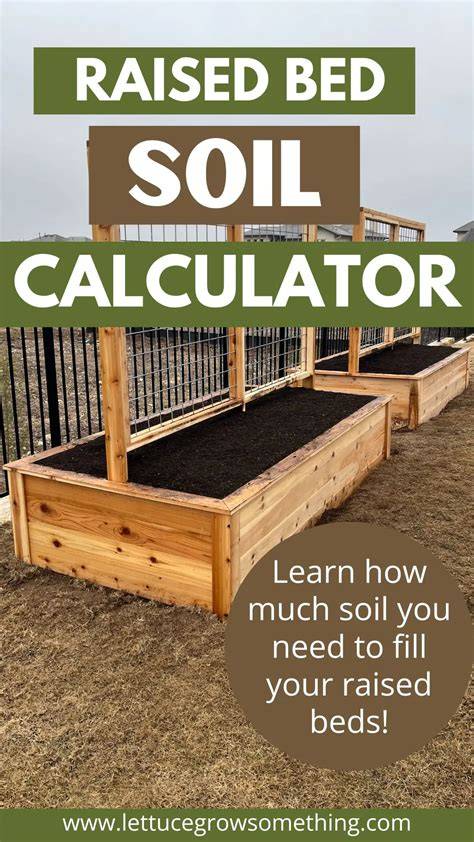
Practical Tips for Installation
When installing, consider the bed height, footprint, and access to water. For wooden beds, choose rot-resistant wood and avoid treated lumber when growing edibles. For metal beds, plan for heat management with mulch or liners. For concrete blocks or bricks, ensure proper drainage and avoid toxins from materials. Always verify food safety of materials used in edible gardens.
Frequently Asked Questions
- What is the most affordable raised bed option? In-ground raised beds are the cheapest, requiring only soil and compost.
- Which raised bed lasts the longest? Metal and concrete raised beds last 15-25 years or more with proper care.
- Are galvanized steel beds safe for vegetables? Yes. Studies confirm that galvanized steel does not leach harmful metals under typical garden conditions.
- Can I use treated wood in my vegetable garden? Only if it’s labeled food-safe.