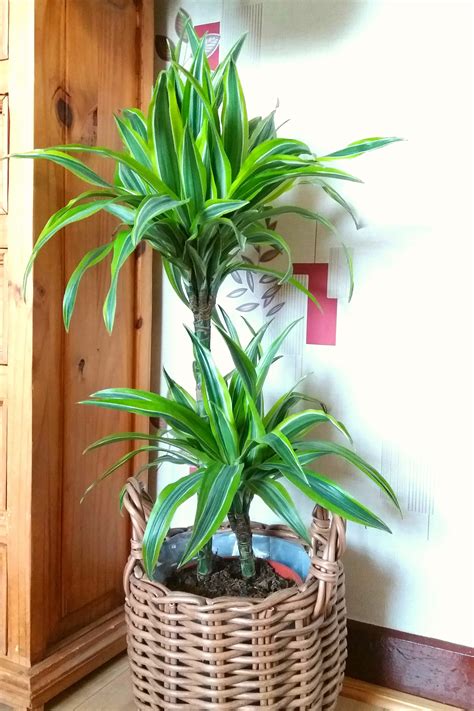
If you enjoy interior décor or design in general, you are probably familiar with the phrase "little is a bit much," which is often true. For bold, passionate, and expressive plant parents with an immense love for a sophisticated interior, there is no reason to hold back on tall plants in your spaces. It is, therefore, time to invite some of nature's towering botanicals indoors. Despite their impressive height, you might presume these towering botanicals are daunting to tend, but no, they are super easy to grow and maintain. Tall houseplants confidently define the personality and style of your indoor space. Miniature items often get absorbed or swallowed by larger items in indoor spaces. Tall houseplants, by contrast, provide the right amount and feel of nature and greenery to your indoor environment. Turning an ordinary indoor space into a spectacular one is easy with the right tall houseplant.
Popular tall houseplants and why they work
Money Tree (Pachira aquatica) features a striking braided trunk, making this tall houseplant an interesting choice. Pachira aquatica is associated with good fortune, and therefore, it is a perfect plant to gift your loved ones. The rubber tree is a fast-growing, tall houseplant that can easily reach 3 meters in a few years. Towering Ficus elastica. This elegant, tall houseplant has long, glossy foliage that shines when exposed to the right amount of light, adding bright greenery and character to your space. Because of its adaptability in both bright and low-light conditions, the rubber plant has become a popular choice for tall indoor plants. Growing and caring for a rubber tree plant is easy, as it is less finicky.
Monstera deliciosa, also known as the Swiss cheese plant, is a tall houseplant and a statement piece. The Swiss cheese plant. Its leaves form evenly distributed gaps that not only enhance its appeal but also allow light to reach the lower parts of the plant. Although the Yucca plant is known for its spiny foliage, Yucca elephantipes is spineless and suitable for indoor growing as a tall houseplant. Interestingly, Yucca plants can easily grow to 9 meters (30 ft.) when grown outdoors, but indoors, you can achieve a height of 3-5 meters, depending on what your indoor space can accommodate.
The banana plant (Musa acuminata), also known as Dwarf Cavendish, is a not-to-miss tall houseplant for your indoor spaces. However, Banana plants cannot produce fruit when grown indoors because they lack the tropical conditions required to trigger fruit set. Elephant Ear (Colocasia esculenta) has extra-large, dark green leaves, hence the name. Elephant ear, a tall, upright houseplant, prefers a moist environment; do not allow the soil to dry out before watering again. The soil should always be wet.
The weeping fig (Ficus benjamina) is a statement houseplant. Grow weeping fig in moist soil, but moderate the watering to avoid waterlogging, expose the plant to bright indirect sunlight, and maintain enough distance from the window to give the plant adequate breathing space. Although lemon trees prefer warm climates, with proper care, you can grow them indoors to a height of 1-1.2 meters. Tending the lemon tree. Dragon tree (Dracaena marginata) has a unique statue and personality. Bird of Paradise (Strelitzia reginae) is a striking, flowering tropical houseplant that can grow to 1.5 meters tall indoors. Strelitzia reginae. For plant parents who prefer to add a touch of color to their indoor spaces, Croton (Codiaeum variegatum), also referred to as Variegated Croton, is the best tall houseplant for you. Croton also called Codiaeum variegatum.
The fiddle leaf fig is undoubtedly the most popular tall houseplant, primarily due to its large, dark-green foliage, which commands attention. Ficus lyrata prefers bright light, so grow it near a window that receives ample light throughout the day. Water only when the topsoil dries out. Given that fiddle leaf figs can grow to an impressive height of 3 meters (10 ft.), ensure your ceiling is high enough to accommodate the height. As evident above, it is easy to grow and maintain tall houseplants despite their astonishing height and width. Adopting these tall houseplants is not about filling up that corner space that bothers you; it's an intentional choice to add natural vitality to your home.
Care basics and quick care notes
- Light: most tall indoor plants prefer bright indirect light, with some tolerating lower light; position near windows or provide a grow light for consistency.
- Water: allow the topsoil to dry slightly between waterings for many varieties; some like moisture-rich soil, others prefer drier intervals.
- Soil and humidity: use well-draining potting mix; higher humidity helps plants like Caladiums or Caladium relatives, while others are forgiving in average home humidity.
- Space and stability: taller plants may need sturdy supports or well-chosen planters to prevent tipping, especially in high-traffic areas.
Representative tall indoor plants list
- Money Tree (Pachira aquatica) with braided trunk and good fortune associations.
- Rubber Tree (Ficus elastica) with glossy foliage and strong adaptability.
- Monstera deliciosa (Swiss cheese plant) with iconic fenestrated leaves.
- Yucca elephantipes, a spineless hardy tall option for indoor rooms.
- Musa acuminata (Dwarf Cavendish banana) as a dramatic leafy accent (fruit unlikely indoors).
- Colocasia esculenta (Elephant Ear) with very large leaves and moisture needs.
- Ficus benjamina (Weeping fig) for bright indirect light and balanced watering.
- Loosely, Citrus trees like Meyer lemon for sunny spaces (seasonal fruiting unlikely indoors).
- Dracaena marginata (Dragon tree) with sculptural form and variegation options.
- Strelitzia reginae (Bird of Paradise) with striking tropical presence and potential flowers.
- Codiaeum variegatum (Croton) for vibrant color and bold foliage.
- Fiddle Leaf Fig (Ficus lyrata) with large, dramatic leaves and strong presence.
- Other tall options like Parlor Palm (Chamaedorea elegans) and Snake Plants for structure and resilience.
Notes on selection and placement
When choosing tall houseplants, consider ceiling height, natural light, and space in corners or along walls. For example, Fiddle Leaf Fig and Rubber Tree pair well near bright windows, while Snake Plant and ZZ Plant thrive in lower light and can be placed toward the back of a room to create a layered effect. Regular dusting of the large leaves helps keep photosynthesis efficient and interiors looking polished.
Additional tall indoor plant options with quick facts
- Australian Umbrella Tree: bright indirect light, high sunlight, minimal watering, can reach tall heights.
- Peruvian Apple Cactus: bright light, infrequent watering, makes a striking vertical statement.
- Mass Cane (Dieffenbachia or similar large cane varieties): forgiving, low to medium light, watering every two weeks.
- Alocasia regal shield: humidity-friendly, medium indirect light, weekly watering.
- Meyer lemon tree: bright light, weekly watering, enjoy fragrance and subtle fruiting cues.
- BIRD-OF-PARADISE and Norfolk Island Pine: bright indirect light, regular care; these add architectural height.
Practical table of care highlights
| Plant | Light | Watering | Notes |
|---|---|---|---|
| Fiddle Leaf Fig | Bright light | When topsoil dries | High ceiling required |
| Rubber Plant | Bright to low light | Water when soil dries | Sturdy and forgiving |
| Monstera | Bright to medium | Let dry between waterings | fenestrated leaves add drama |
Adopting these tall houseplants is not about filling up that corner space that bothers you; it’s an intentional choice to add natural vitality to your home. When arranged thoughtfully, tall indoor plants create accents, define zones, and bring a sense of growth and airiness to interior rooms.