Peas, please! There’s nothing like the taste of sweet, fresh peas straight from the garden. They’re the first crop to harvest in the spring, and with just a little care, you can enjoy these delicious green gems before the summer heat kicks in.
Whether you’re growing snap peas, snow peas, or sweet peas, our comprehensive guide will show you how to sow, grow, and harvest your best crop yet. Peas are easy to grow, but their growing period is limited. It’s essential to plant them early enough in spring so they mature while the weather is still cool!
Where to Plant Peas
- Select a sunny location and well-draining soil. Although peas can grow in part shade, they won’t be as sweet or productive as those grown in full sun.
- Prepare the soil, preferably in the fall, mixing in aged manure and/or compost, and mulch well-peas like well-draining soil.
When to Plant Peas
- Sow seeds 4 to 6 weeks before the last spring frost date when the soil is cool or when it is at the desired temperature. Peas planted in cold (40°F) soil will germinate slowly; peas planted in soil that is at least 60°F (but not more than 85°F) will catch up.
- Snow will not hurt emerging pea plants, but several days with temperatures in the teens might. Be prepared to plant again if the first peas don’t make it. Alternatively, try starting your peas in a cold frame.
- A second round of peas can be planted in the late summer or early fall, approximately 6 to 8 weeks before your first fall frost date.
How to Plant Peas
- Peas are best direct-seeded right in the ground and do not like their roots disturbed. But transplanting is possible if you start seeds in biodegradable pots; you’ll transplant the pot and all into the garden, and the pot will disintegrate.
- To speed germination, soak seeds in water overnight before planting.
- Sow seeds 1 inch deep (slightly deeper if the soil is dry) and about 2 inches apart. Do not thin.
- Plant rows 7 inches apart.
Soil, Fertilizer, and Supports
- Regarding crop rotation, do not plant peas in the same place more than once every four years.
- Like those of other legumes, pea roots fix nitrogen in the soil, making it available for other plants.
- In terms of fertilizer, peas need phosphorus and potassium, but excess nitrogen will encourage foliage growth instead of flowers or pods.
- Bush peas can reach 18 to 30 inches tall. Pole types can grow at least 4 to 6 feet tall. Both types benefit from support (especially bush peas above 2 feet and all pole peas).
- Install thin tree branches or twiggy sticks (pea sticks), trellises, chicken wire, strings, or netting before plants establish their shallow roots.
Water and Care
- Water to keep the soil moist. If seeds wash out of the soil, poke them back into it.
- Water to keep the soil moist. If seeds wash out of the soil, poke them back into it.
- Watering: Once young pea plants are settled in and growing strongly, they shouldn’t need much watering except in particularly dry spells. But do give them a good watering once they start to flower, and again two weeks later, to help the pods to swell. While cropping, check the soil moisture at root level regularly and water if necessary. Try not to wet the leaves as this can encourage fungal diseases.
- Mulch helps keep soil moisture stable and suppresses weeds.
Harvesting and Storage
- Harvest peas in the morning after the dew has dried; they are crispiest then. Harvest regularly to encourage more pods to develop.
- Peas are at the peak of flavor immediately after harvest. Pods that have hardened or turned a dull color are overmature. Mature plants usually stop producing and die back in hot summer weather.
- If you missed your peas’ peak period, you can still pick, dry, and shell them for use in winter soups.
- Store peas in the refrigerator for about 5 days.
How to Harvest and Identify Types
- Shelling peas (garden peas) are harvested when pods are well filled, and the peas inside are large and round.
- Snow peas have very flat pods with small peas; they are harvested when the pods are still flat and the seeds are underdeveloped.
- Snap peas have thick, edible pods and larger peas filling the pod; harvest when the pods are plump but still tender.
Trellises, Space, and Planting Varieties
- Trellises: For taller varieties, use netting or chicken wire attached to posts or bamboo canes. Shorter varieties can use twiggy sticks or pea sticks for support.
- Space: Plant seeds 1-3 inches apart, with rows spaced 7-36 inches apart depending on variety and whether you’re using a trellis.
- Choose varieties based on your climate and preference. Some AGM-listed varieties for reliable performance include 'Jaguar' and 'Kelvedon Wonder'.
Starting Peas Indoors vs Direct Sowing
- You can start peas indoors to give them a head start, using root trainers for easy transplant. Sow indoors at 12 hours of light per day and keep evenly moist until transplant time.
- Direct sowing in the garden is simple: prepare the ground, soak or not soak as you prefer, and plant in trenches next to the supports.
Problem Solving and Common Issues
- Mice may take newly sown seeds, so indoor sowing is safer in some regions.
- Pigeons may require netting cages to protect young plants.
- Yellowing leaves can indicate heat stress or nutrient imbalance; adjust watering and mulch to maintain even soil moisture and avoid overheating.
Table: Quick Reference for Planting and Harvest
| Aspect | Guidance |
|---|---|
| Optimal soil temp | 50-70°F (10-21°C) |
| Seed depth | 1 inch (slightly deeper if dry) |
| Row spacing | 7-36 inches depending on variety |
| Trellis height | 2-6 feet for most vining types |
| Watering | 1-2 inches per week, adjust for heat |
| Harvest window | Peas usually 1.5-2 months after sowing |
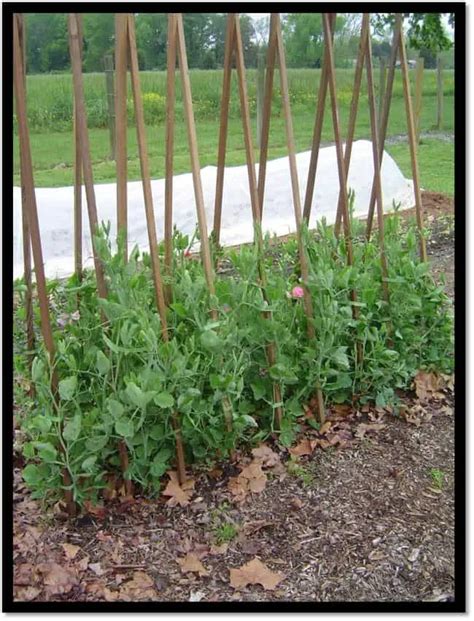
Images illustrating proper trellising and spacing can help visualize the setup and are embedded where helpful for planning.
How to Trellis Peas (Fast & Easy With String)
Video guidance on installing supports and direct sowing peas provides a practical visual aid for beginners.
Varieties to Consider
- Sweet peas (Pisum sativum ssp. sativum) - edible seeds inside the pods
- Snow peas (P. sativum var. macrocarpon) - flat pods, edible pod
- Snap peas (P. sativum var. macrocarpon ser. cv.) - edible pods with larger peas
- ShelIing peas (garden peas) - classic round peas inside shell
Care Through the Season
- Plant on staggered schedules to extend the harvest season through late spring into early summer.
- Continue to pick regularly to encourage more pods and avoid overripe harvests.
- Leave nitrogen-fixing legumes in place after harvest to boost soil fertility for subsequent crops.