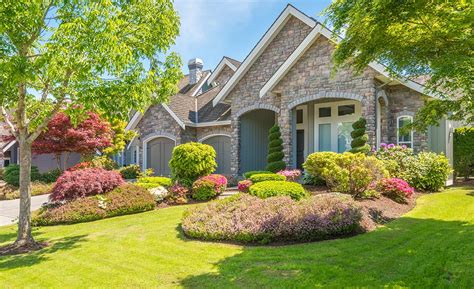
Front-of-house shrubs should make the home look welcoming and avoid hiding windows. They shouldn’t crowd walkways or grow into the siding either. Shrubs are the backbone of front yard landscaping, providing structure, year-round appeal, and a welcoming path to the door. Evergreen shrubs add winter structure, while flowering and foliage varieties deliver seasonal color and texture. The key is choosing shrubs that fit the space at maturity and suit the site conditions, so they require minimal pruning and maintenance.
For the best curb appeal, repeat a few shrubs rather than using a different one for every spot. Plant lower shrubs under windows, taller ones near corners, and colorful or flowering shrubs where they can draw attention to the entry. A durable, rot-resistant foundation bed system and proper airflow between plants help maintenance access and healthy growth. When selecting shrubs, consider local climate, mature size, bloom time, and how they complement architectural lines. A well-proportioned planting uses layers: lower under-windows shrubs, mid-height foundation varieties, and taller accents at corners or along edges.
How to choose shrubs by space, light, and maintenance
Plant shrubs far enough from the house to allow mature spread, airflow, and maintenance access. When planting next to one another, add their widths and divide by two. If you find this tricky, use a sunlight calculator or a garden app to evaluate sun exposure. Soil type and drainage are equally important; most shrubs dislike “wet feet,” so ensure the site drains well. Observe how much sun your front yard receives throughout the day, as some shrubs thrive in full sun while others prefer partial shade or dappled light. Soil tests help understand pH and nutrient content for better shrub performance. Native and low-maintenance shrubs can provide beauty with minimal effort, while more ornamental varieties might require regular pruning or care.
Shop by mature height first for easiest care. When planting next to a wall or porch, plant no closer than half the mature width away. A mix of shrubs with complementary textures and colors usually yields the best year-round effect. If you want year-round structure and seasonal interest, evergreen shrubs provide winter backbone and summer color, while deciduous and flowering varieties deliver spring and fall drama.
Best low-maintenance shrubs for front yards
Some of the most reliable slow-growing front-of-house shrubs include hydrangea, boxwood, holly, spirea, potentilla, weigela, arborvitae, yew, juniper, azalea, rhododendron, and rose of Sharon. Use compact varieties that stay below the window at maturity. Evergreen options like boxwood, inkberry holly, arborvitae, yew, juniper, and select azaleas and rhododendrons provide year-round structure. Flowering choices such as hydrangeas, spireas, weigelas, potentillas, azaleas, rhododendrons, roses, and rose of Sharon add seasonal color. Plant shrubs far enough from the house to allow mature spread and airflow, and consider a mix to balance texture, color, and maintenance needs.
For easy care, select shrubs with mature heights suitable for the space. Dwarf shrubs are ideal under windows, along walkways, near small porches, and in narrow foundation beds. Small shrubs (1-4 feet tall) are often the safest choice for front-of-house plantings. Potentilla and spirea are typically manageable in size and offer reliable blooms. Sunny foundation beds may reflect heat, so choose shrubs that tolerate heat; shady front foundations need shrubs that handle lower light without becoming thin or leggy.
Illustrative list of common front-yard shrubs by role
- Evergreens for structure: boxwood, inkberry holly, arborvitae, yew, juniper, certain azaleas and rhododendrons
- Flowering backbone: hydrangea, spirea, weigela, potentilla, azalea, rhododendron, rose of Sharon
- Native and resilient options: New Jersey Tea, viburnums, winterberry holly
- Compact accents for under windows: dwarf Japanese maple, dwarf conifers, compact hydrangeas
Seasonal interest and year-round appeal
Evergreen shrubs keep the front of the house looking appealing in winter, while flowering shrubs add color and personality in the growing seasons. A durable cedar raised bed system with customizable sizes supports healthy planting. Native shrubs typically require less water, fertilizer, and maintenance, making them eco-friendly and low-effort. Flowering shrubs are one of the easiest ways to add curb appeal, color, and seasonal personality to the front yard. Native and low-maintenance shrubs can provide beauty with minimal effort, while more ornamental varieties might require regular pruning or care.
For a front-yard planting that remains cohesive through the seasons, repeat a few shrubs and layer by height. A mix approach-with evergreens for winter backbone and flowering shrubs for seasonal color-helps ensure consistent appeal, even when some plants are not actively blooming. When in doubt, shop by mature height to guarantee the plant fits the available space without crowding windows or blocking sightlines.
Common front-yard shrubs with size and habit details
Hydrangea varieties offer large, showy blooms and a range of sizes. Hydrangea paniculata stays compact in the 2-3 ft tall and 3 ft wide range in many cultivars; Hydrangea macrophylla and Hydrangea arborescens provide options from 3-5 ft tall up to larger forms, depending on selection. Spiraea varieties vary from 2-3 ft to taller forms, with foliage colors ranging from green to burgundy and blooms in white, pink, or red. Weigela offers compact forms with showy spring flowers that attract hummingbirds, and some cultivars rebloom through summer. Boxwoods provide evergreen structure and can be pruned to formal or informal shapes. Arborvitae and yew offer year-round green massing, while azaleas and rhododendrons provide vibrant blooms in acidic, well-drained soils.
Deciduous flowering accents such as forsythia (bright yellow early-spring blooms) and lilacs (fragrant late spring blooms) bring strong seasonal signals to the approach of the home. Winterberry holly provides bright berries in winter when leaves drop, adding cheery color and wildlife value. Viburnums offer versatile forms and seasonal interest with flowers and berries, while camellias add year-round evergreen structure with spring or fall blooms depending on the cultivar. Rose of Sharon and hibiscus shrubs add large summer blooms and tropical flair in appropriate climates. Native alternatives like New Jersey Tea and native viburnums support local biodiversity with minimal maintenance.
Practical planting tips
Plant shrubs that fit the space and complement the home’s architecture. Under-windows plant lower shrubs; near corners, place taller varieties; position flowering or color-driven shrubs where they will catch the eye at the entry. Leave room for mature width and airflow to simplify maintenance and pruning. Use layers to create depth and interest across seasons, and ensure you avoid blocking windows or sightlines from the street. When planting in sunny sites, select heat-tolerant varieties; in shade, choose shade-tolerant shrubs to maintain density and health. For safety and aesthetics, space repeats of the same shrubs to create a cohesive look instead of a random mix of many different plants.
Other notes and expert perspective
Plant Addicts Expert Tip: The lowest-maintenance front yard shrubs are not always the smallest plants at the garden center. Jessica Mercer, PhD, notes that a well-chosen shrub can transform the front of a house, adding structure, beauty, and year-round appeal, with shrubs serving as the backbone of front yard design. Native plants are often surprisingly versatile, and even those labeled “deer resistant” may still be browsed under pressure; consider fending young plants or using repellents when needed. A well-chosen shrub mix supports privacy, wind protection, and seasonal color without heavy maintenance, making front-of-house landscaping sustainable and inviting.
When choosing shrubs for the front of your house, consider: mature size, site light, soil drainage, climate, deer pressure, and the overall style you want to achieve. A good plan balances proportions, avoids crowding, and creates an inviting approach to the door while providing structure through the year.