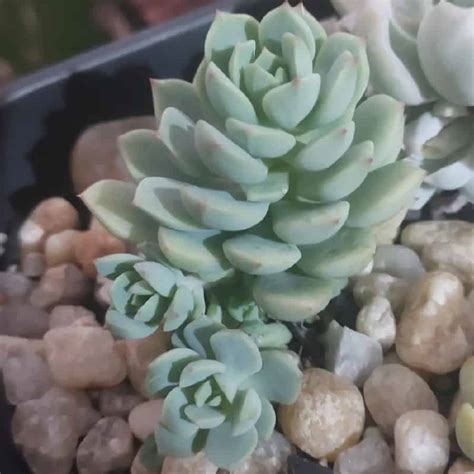
Sedeveria succulents stand out with rosette shapes, thick water-storing leaves, and a spectrum of colors from greens to pinks and purples. They are typically small to medium-sized and fit perfectly in pots, terrariums, or as colorful garden accents, making them a versatile addition to indoor spaces.
Understanding Sedeveria and Related Succulents
Sedeveria succulents are notable for their rosette shapes and thick leaves that store water, showcasing their ability to thrive in arid conditions. These plants display a spectrum of colors, including rich greens, soft blues, vibrant pinks, and purples, adding a lively touch to any collection.
Typically, they range from small to medium-sized, making them perfect for pots, terrariums, or as colorful ground cover in gardens. With their ability to adapt to various environments, they are suitable for indoor and outdoor settings.
Light Requirements
Proper lighting is essential for Sedeveria succulents to flourish. They thrive in bright, indirect sunlight. When growing Sedeveria indoors, place them near a south or west-facing window where they can soak up enough light. In cases where sunlight is too intense, use sheer curtains to soften the rays.
Outdoor Lighting: Outdoors, position your Sedeveria plants where they receive at least six hours of sunlight daily. However, to prevent leaf burn during peak daylight hours, a bit of afternoon shade can be beneficial.
Watering Guidelines
Correct watering practices are crucial for the health of Sedeveria succulents. Overwatering is a common pitfall for many plant owners.
Watering Frequency: Allow the soil to dry out completely before watering again. Depending on your climate and the season, you might water every two weeks in summer and less often in winter. For example, during hot months, check the soil moisture weekly.
Watering Technique: When you do water, make sure to do so thoroughly, allowing water to flow out through the pot's drainage holes. Avoid letting the plant sit in excess water, as this can lead to root rot.
Soil Selection
Choosing the right soil is key for Sedeveria succulents. A well-draining soil mix is necessary to keep them healthy.
Recommended Soil Mix: Opt for a cactus or succulent potting mix. If you prefer a homemade blend, mix regular potting soil with equal parts perlite or coarse sand. This combination improves drainage and aeration, crucial for healthy roots.
Fertilization Tips
Although Sedeveria succulents don’t require frequent fertilization, a little boost during the growing season can enhance their growth and color.
Fertilizer Type: Use a balanced, diluted liquid fertilizer designed for succulents. Fertilize monthly during spring and summer, and pause during the fall and winter while the plants are dormant. Interestingly, studies show that fertilized succulents can grow up to 30% larger than untreated ones during the growing season.
Temperature and Humidity
Sedeveria succulents prefer warm conditions, thriving in temperatures between 65°F to 80°F (18°C to 27°C). They can tolerate slightly lower temperatures but must be protected from frost. If you live in a colder region, consider moving your plants indoors or ensuring they have adequate protection outside.
Humidity Levels: These succulents favor low humidity, making them ideal for dry indoor spaces. Avoid placing them in overly humid spots, as excessive moisture can lead to fungal problems.
Pest Management
While generally pest-resistant, Sedeveria succulents can occasionally face issues with pests like mealybugs and aphids. Regularly check your plants for infestation signs, such as sticky residue or fine webbing. If you spot any pests, address the issue promptly to minimize damage.
Treatment Options: Treat infestations with insecticidal soap or neem oil. For minor pest problems, a gentle spray of water can be effective in dislodging them.
Propagation Techniques
Leaf Propagation: To propagate, take a healthy leaf from the plant and let it dry and callous for a few days. Next, lay it on well-draining soil and mist lightly. With time, roots will form, giving rise to a new plant.
Offsets and Cuttings: Sedeveria plants often produce offsets that can be gently removed and replanted. Additionally, stem cuttings can be taken and propagated similarly, potentially multiplying your collection.
Seasonal Care Adjustments
Summer Care: In the summer, ensure your plants get ample light and increase watering as they actively grow. It might mean watering up to every week if conditions are hot and dry.
Winter Care: During winter, reduce watering and place your plants in a cooler area to mimic their natural dormant period. This seasonal adjustment can significantly enhance their health and vigor when spring returns.
Common Issues and Solutions
Leaf Drop: If you notice leaves falling, it could be due to overwatering or insufficient light. Adjust your watering schedule and check if the plant is getting enough light.
Etiolation: If your Sedeveria is becoming leggy or stretching, it probably needs more light. Move it to a brighter spot to encourage compact and healthy growth.
Related Succulents with Easy Care
One of the most forgiving and beginner-friendly houseplants you can find is Aloe Vera. It has gained popularity for its striking leaves, health benefits, and air-purifying ability. The leaves of this short-stemmed succulent are thick and fleshy, with some varieties exhibiting white specks on the surface and serrated margins. Lighting: Aloe prefers medium to high light conditions and will grow best in sunny spots where it can receive filtered or direct sunlight. Irrigation: Allow soil to fully dry between thorough irrigations. Water until liquid runs from drainage holes at the bottom of the pot and discard excess water. Humidity: Aloe plants do not require additional humidity. Fertilizer: Once a month during spring and summer.
Other notable succulents with distinct care profiles include Burro's Tail, Cacti varieties, Euphorbia Milii (Crown of Thorns), Elephant Bush, Fishbone Cactus, Hens and Chicks, Jade Plants, Lithops, Ponytail Palm, Rhipsalis, Sago Palm, Sansevieria, String of Bananas, String of Hearts, String of Beads, String of Turtles, String of Watermelon, Prickly Pear, Yucca Cane, ZZ Plants, and many more. Each has its own lighting, watering, soil, and fertilizing preferences that fit a range of indoor environments and skill levels.
Practical Tips for Beginners
- Start with a well-draining soil mix and a pot with drainage holes.
- Place succulents near bright, indirect light and avoid prolonged direct sun that may cause leaf burn.
- Water deeply but infrequently, allowing the soil to dry completely between waterings.
- Fertilize lightly during the growing season and pause during dormancy.
- Monitor for signs of overwatering, such as mushy leaves or yellowing, and adjust watering accordingly.